How to Choose Baby Shampoo: A Parent's Guide
Updated 5 min readBy Social Kay
Learn how to choose baby shampoo by understanding gentle cleansing ingredients, fragrance, usage directions and your baby's individual hair and scalp needs. Explore gentle baby care essentials at [KIS
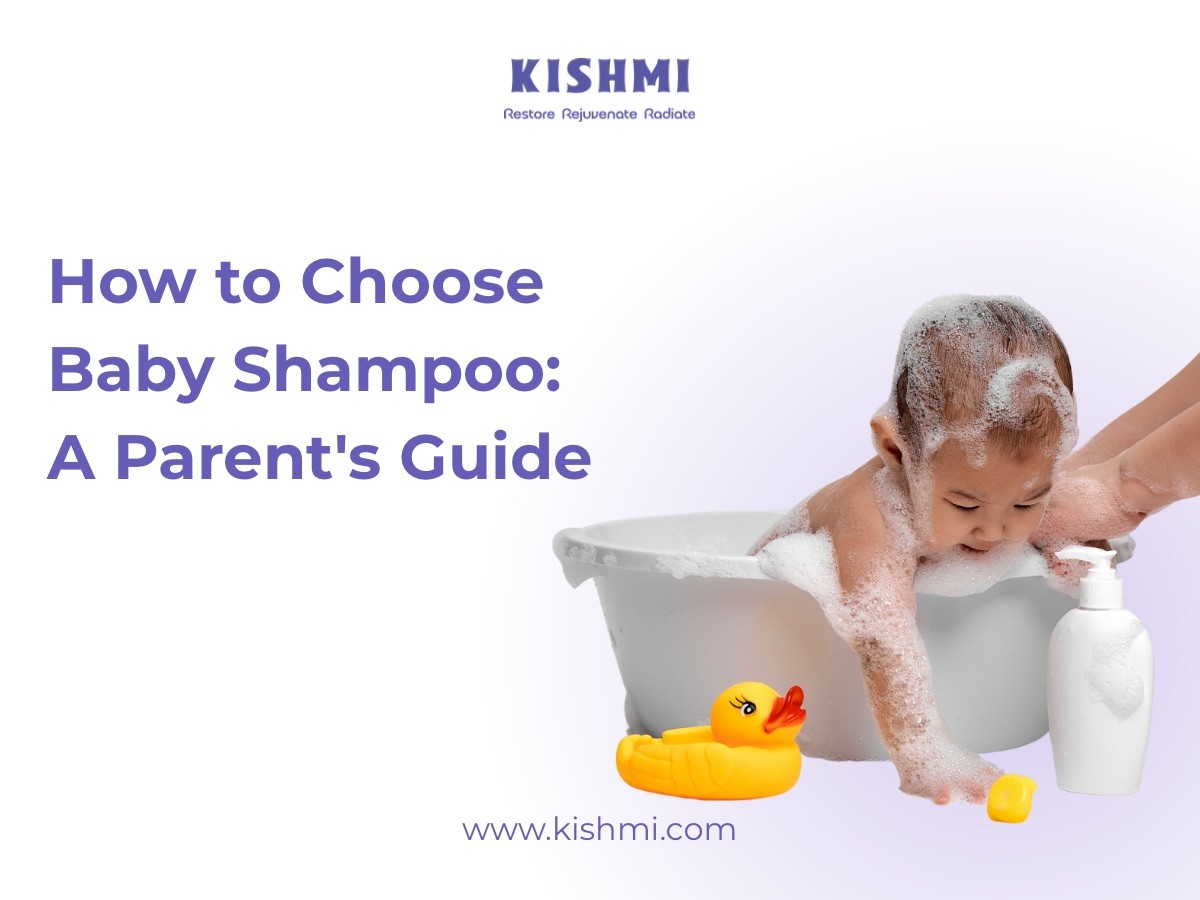
How to Choose Baby Shampoo
Introduction
Choosing the right shampoo for your baby is an important part of maintaining healthy hair and scalp care. A baby's skin and scalp are delicate, so selecting a suitable product requires more attention than simply picking a shampoo with a pleasant fragrance or attractive packaging.
But how do you know which baby shampoo is right for your little one? What ingredients should you look for, and what should you avoid?
Understanding how to choose baby shampoo can help parents make informed decisions about cleansing ingredients, fragrance, product safety and proper usage. Every baby has different hair and scalp needs, making it important to choose a shampoo that suits your little one's individual requirements.
In this guide, we'll explore the important factors parents should consider when selecting a gentle and suitable baby shampoo.
1. Understand the Cleansing Ingredients
One of the first things to consider when learning how to choose baby shampoo is its ingredient list.
Baby shampoos should cleanse gently without unnecessarily stripping the scalp of its natural oils. Look for products formulated with mild cleansing agents.
What to look for:
- Mild surfactants that gently remove dirt and oil.
- Skin-conditioning ingredients that help maintain softness.
- Moisturising ingredients such as glycerin.
- Ingredients suitable for your baby's skin sensitivity.
Avoid assuming that a product is gentle simply because it says "baby" on the packaging. Always check the ingredient list and choose a formula appropriate for your baby's needs.
2. Check the Fragrance
Fragrance is another important factor when choosing baby shampoo.
While scented shampoos may smell pleasant, added fragrance can irritate some babies, particularly those with sensitive skin.
Consider the following:
- Fragrance-free formulas can be a suitable choice for babies with sensitive skin.
- Avoid products with strong fragrances if your baby has previously experienced irritation.
- Check the complete ingredient list rather than relying only on front-label claims.
If your baby develops redness, itching or irritation after using a shampoo, discontinue use and seek medical advice if symptoms persist.
3. Read the Usage Directions Carefully
Even a gentle baby shampoo should be used correctly. Following the manufacturer's instructions helps ensure appropriate cleansing.
Here are some useful tips:
- Wet your baby's hair and scalp with lukewarm water.
- Use a small amount of shampoo as directed on the product label.
- Gently massage the scalp using your fingertips.
- Avoid scrubbing or scratching the delicate scalp.
- Rinse thoroughly to remove shampoo residue.
- Keep shampoo away from your baby's eyes.
Remember that babies generally do not need frequent shampooing. Adjust the washing routine according to their age, hair type and individual scalp needs.
4. Consider Your Baby's Individual Needs
Every baby is different, and their hair and scalp requirements may vary.
Before choosing baby shampoo, consider these factors:
Sensitive Skin: If your baby has sensitive skin, consider a fragrance-free and gentle formula.
Dry Scalp: Look for a mild shampoo that does not leave the scalp feeling excessively dry.
Fine Hair: A gentle cleansing formula is generally suitable for keeping fine baby hair clean without unnecessary product buildup.
Cradle Cap: If your baby has flaky or crusty patches on the scalp, consult a paediatrician for suitable care rather than relying on regular shampoo alone.
Selecting a shampoo based on your baby's individual needs is more important than choosing a product based on popularity or fragrance.
5. Look for Appropriate Product Safety Information
Before purchasing baby shampoo, take a moment to review the product packaging.
Check for:
- A complete ingredient list.
- Age suitability and usage instructions.
- Manufacturer and product details.
- Expiry date and storage instructions.
- Relevant safety and regulatory information.
Terms such as dermatologically tested, tear-free and hypoallergenic can be helpful, but they do not guarantee that a product will suit every baby.
Always choose products from reliable manufacturers and follow the directions provided.
6. Make Baby Hair Care Gentle and Simple
A baby's hair care routine does not need multiple products or complicated steps.
A simple routine can include:
- Washing hair when needed with a suitable baby shampoo.
- Using lukewarm water instead of hot water.
- Gently drying the hair with a soft towel.
- Avoiding excessive washing and vigorous rubbing.
- Monitoring the scalp for dryness, redness or irritation.
Consistency and gentle handling are key to maintaining a comfortable hair care routine.
Conclusion
Knowing how to choose baby shampoo helps parents make better decisions about their baby's everyday hair care. From understanding cleansing ingredients and fragrance to following usage directions and considering individual scalp needs, every detail matters.
The best baby shampoo is not necessarily the one with the strongest fragrance or the most attractive packaging. It is the one that gently cleanses, suits your baby's needs and fits comfortably into their hair care routine.
Take time to read product labels, understand ingredients and observe how your baby's scalp responds. A little attention today can help make everyday baby hair care simpler and gentler.
Frequently Asked Questions (FAQs)
1. How do I choose the right baby shampoo?
Choose a gentle formula with suitable cleansing ingredients, check its fragrance and ingredient list, and consider your baby's individual hair and scalp needs.
2. Is fragrance-free baby shampoo better?
Fragrance-free shampoo can be a good option for babies with sensitive skin because it avoids added fragrance, which may cause irritation in some individuals.
3. How often should I wash my baby's hair?
The frequency depends on your baby's age, hair type and scalp condition. Babies generally need less frequent washing than older children.
4. What ingredients should I look for in baby shampoo?
Look for mild cleansing agents and suitable conditioning ingredients. Glycerin is one example of an ingredient commonly used to help retain moisture.
5. Can I use regular adult shampoo on my baby?
It is generally better to choose a shampoo specifically formulated for babies because adult shampoos may contain cleansing agents or fragrances that are unsuitable for some babies.
6. What should I do if my baby develops scalp irritation?
Stop using the suspected product, gently rinse the scalp if necessary and consult a paediatrician if irritation persists or becomes severe.
Related Topic: Gentle Baby Shampoo – Choosing the Right Hair Care for Your Little One.
Explore Gentle Baby Care with KISHMI
Discover gentle skincare and baby care essentials at KISHMI.
Visit: https://kishmi.com/
- Baby Shampoo
- How to Choose Baby Shampoo
- Gentle Baby Shampoo
- Baby Hair Care
- Baby Scalp Care
- Baby Skincare
- Newborn Care
- Baby Care Tips
- Parenting Tips
- Mild Baby Shampoo
- KISHMI Baby Care
You might also like
Baby care2 November 2026
Baby Body Wash: Choose the Right One | Kishmi
Choosing the right baby body wash can make bath time more comfortable. Discover gentle ingredients, fragrance considerations and essential tips for your baby's delicate skin.
Read more
Baby care29 October 2026
Baby Shampoo vs Baby Body Wash: Key Differences
Learn the difference between baby shampoo vs baby body wash, discover their benefits, and find out whether separate products or a gentle 2-in-1 cleanser is right for your baby's bath-time routine.
Read more
Baby care28 October 2026
How Often to Bathe a Baby? A Parent's Guide
Learn how often to bathe a baby with expert-backed tips on safe bathing frequency, gentle baby skincare, and choosing the right baby shampoo. Create a simple bath routine to keep your little one clean
Read more
Comments
No comments yet. Be the first to share your thoughts.
Checking your sign-in…