Dry or dehydrated: how to tell
Dry skin feels rough, looks flaky and can be dry everywhere, including the body. Dehydrated skin feels tight after washing, looks dull, shows fine lines that vanish when you press the skin, and can still be oily in the T-zone. Oily skin can be dehydrated, which is why stripping it makes it worse. Hyaluronic acid treats dehydration by pulling water into the skin; shea butter treats dryness by replacing the oils that hold it there.
The routine
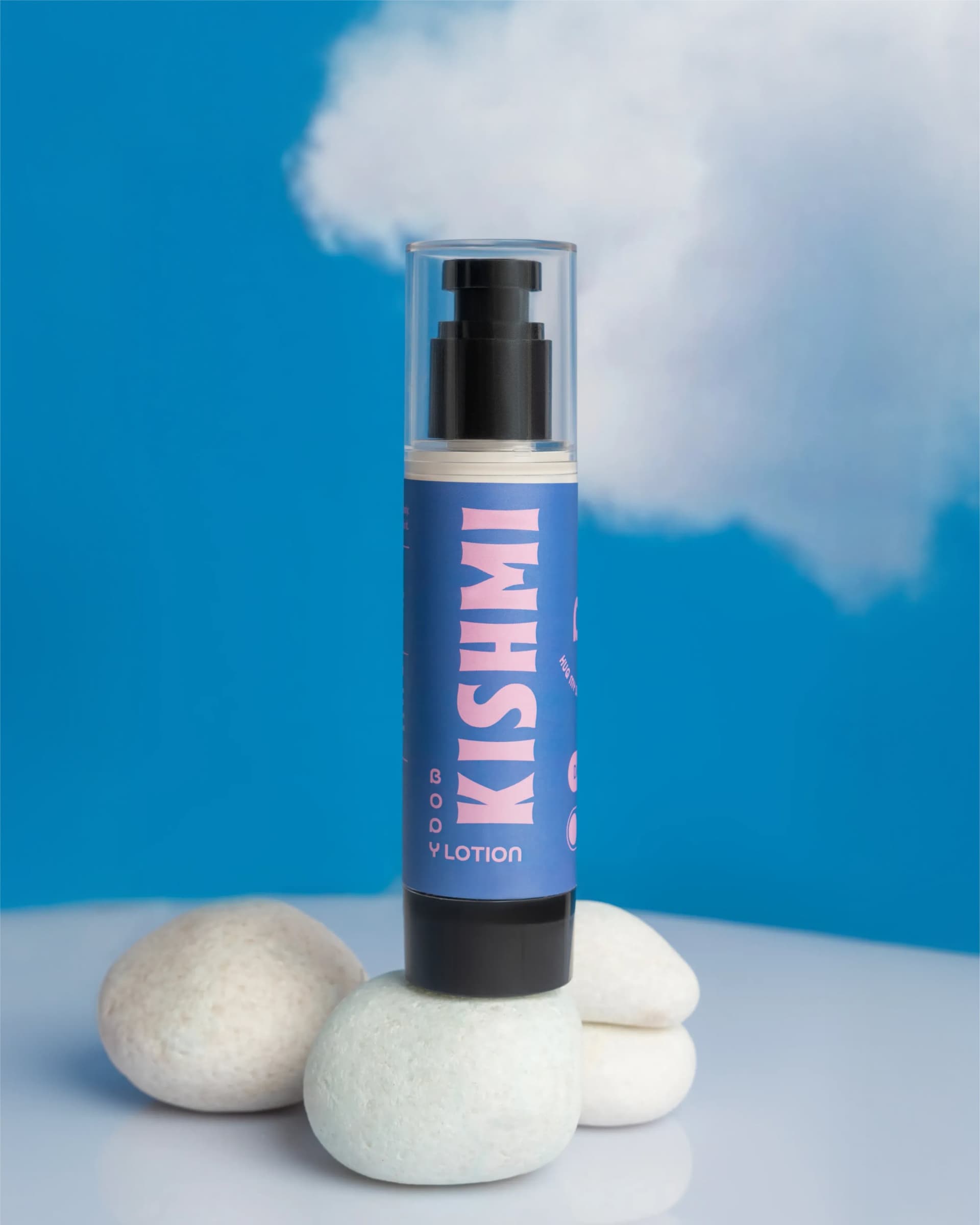
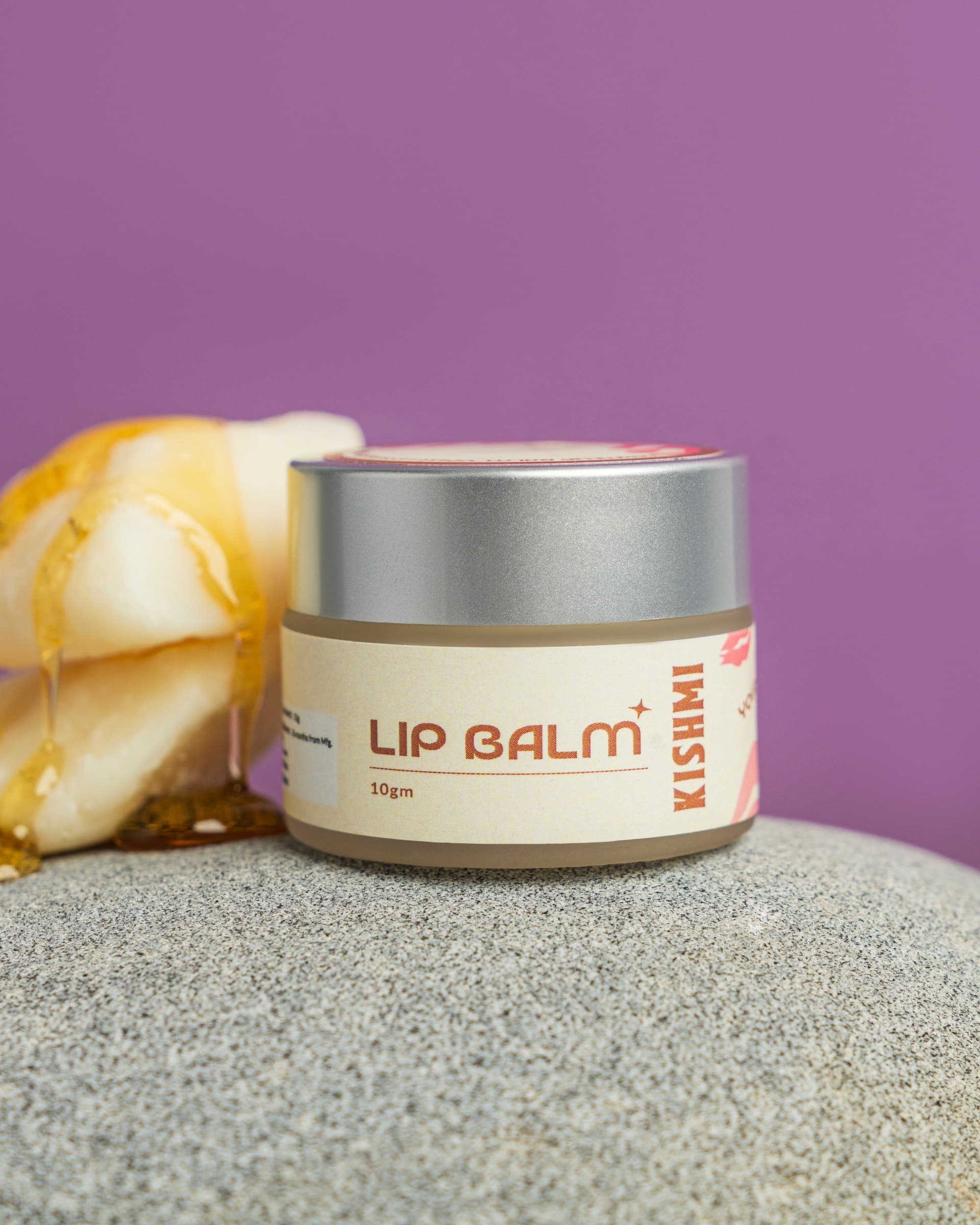
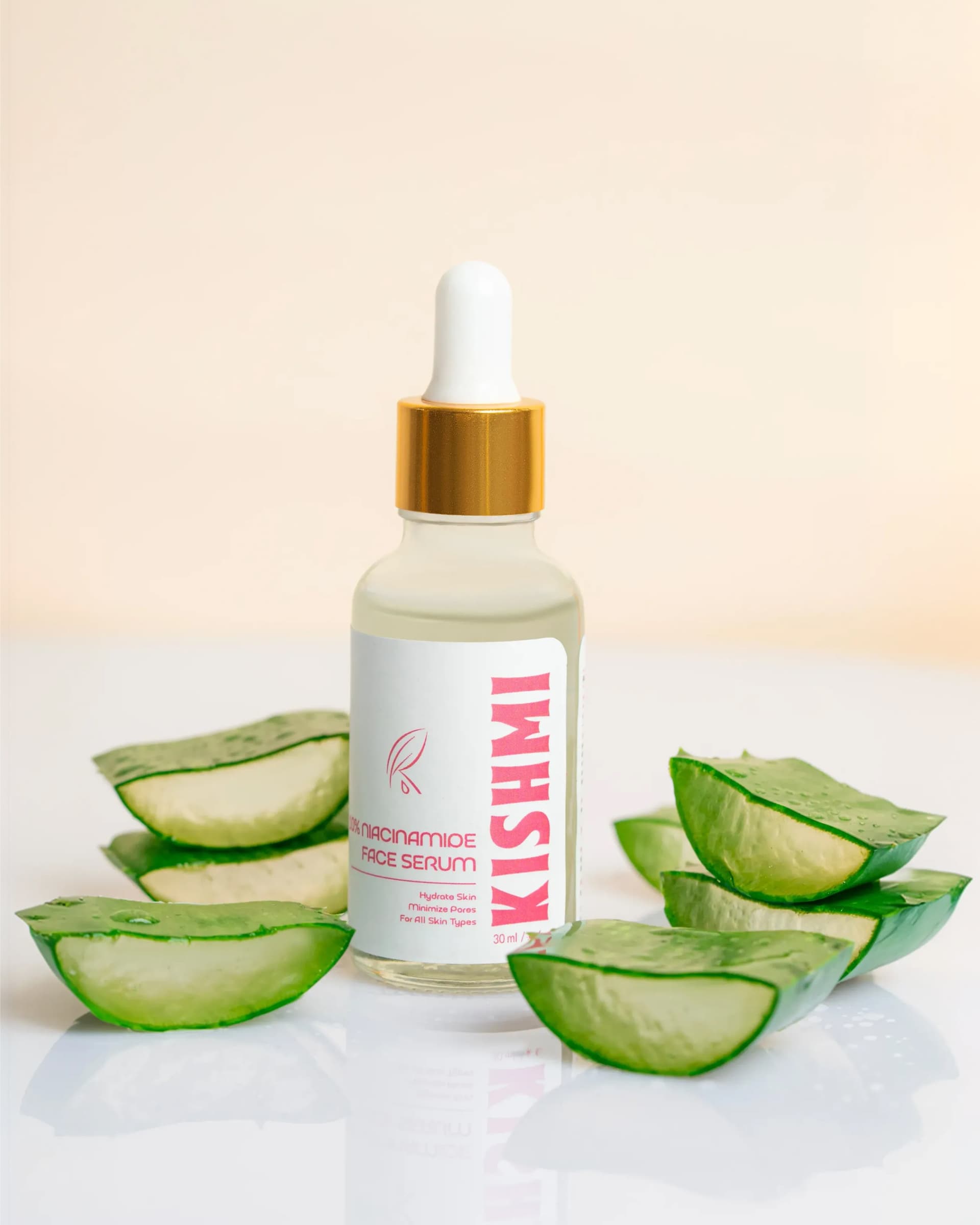
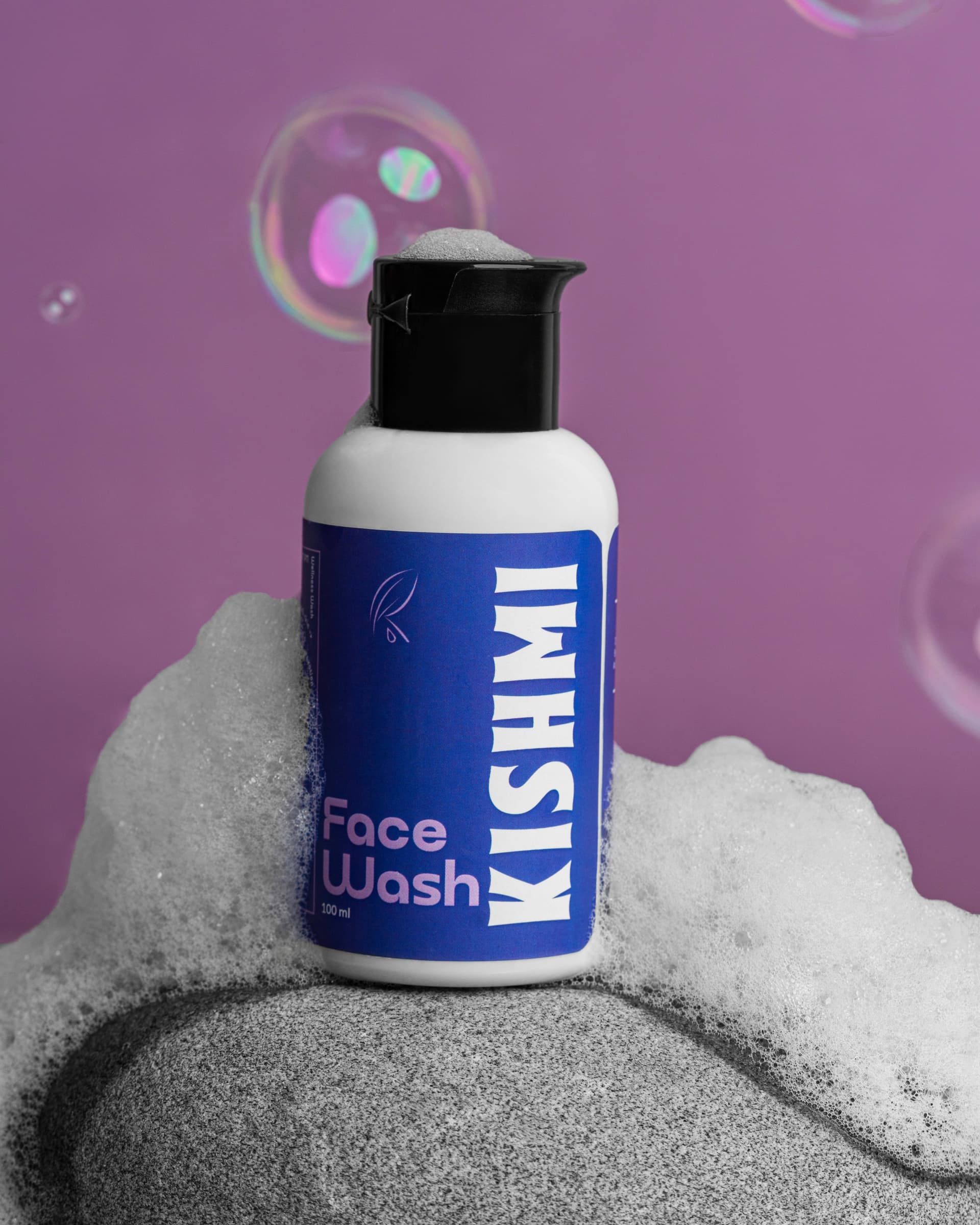
Face: a gentle cleanser once in the evening and plain water in the morning if the skin is very dry; the 10% niacinamide serum, whose hyaluronic acid hydrates while it supports the skin barrier; a moisturiser; sunscreen. Body: the shea butter and hyaluronic acid lotion within three minutes of the shower, on damp skin, with extra attention to shins, elbows and knees. Lips: the beeswax and shea butter balm through the day and a thick layer at night.
Lukewarm water, never hot. Short showers. Pat dry, do not rub. And drink water, which does not moisturise skin directly but does keep dehydration from starting on the inside.
Actives and dry skin
Dry skin can use actives, carefully. Niacinamide is the friend of dry skin; glycolic acid once a week lifts flaky build-up; retinol works at 0.2% with a moisturiser sandwich. Salicylic acid is the one to limit, because it is drying by design, and it belongs on breakout spots rather than the whole face.
Winter, heaters and woollens
North Indian winters dry skin from two sides: cold, dry air outdoors and room heaters indoors, both pulling water out of the skin. Keep the heater on low and a bowl of water near it, wear a cotton layer under woollens so wool never sits on bare skin, and shorten the hot bath, which feels wonderful and strips more oil than anything else in the day. Itchy, cracked or bleeding patches that do not settle with a week of this routine can be eczema, which needs a doctor.