What makes pores look bigger
Excess sebum, dead skin that has not shed, and the blackheads the two form together. Sun damage weakens the collagen around pores and makes them look wider with age. Harsh face washes and skipping moisturiser both trigger more oil, which is why the stripped, squeaky-clean approach leaves oily skin shinier by noon.
The routine that works
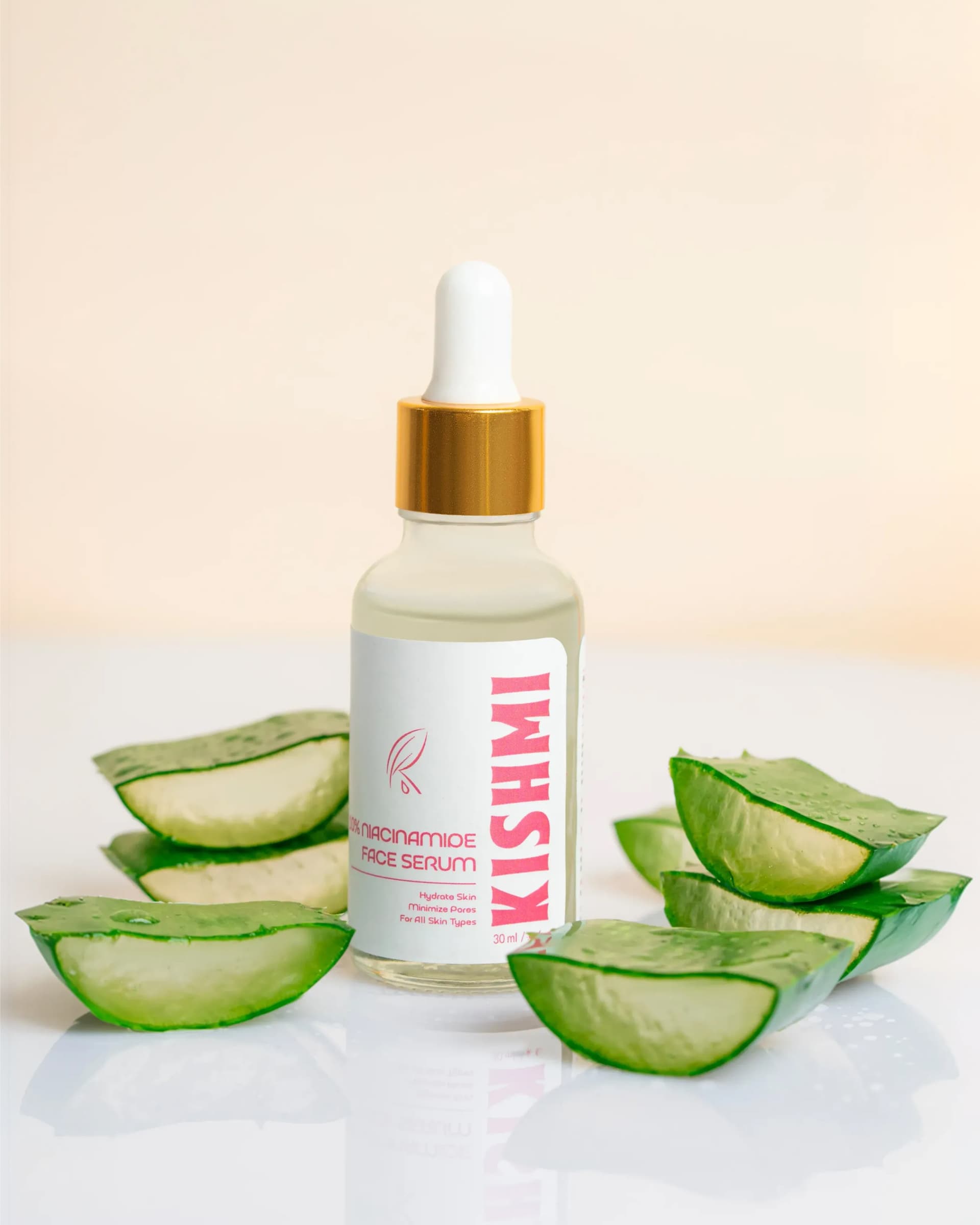
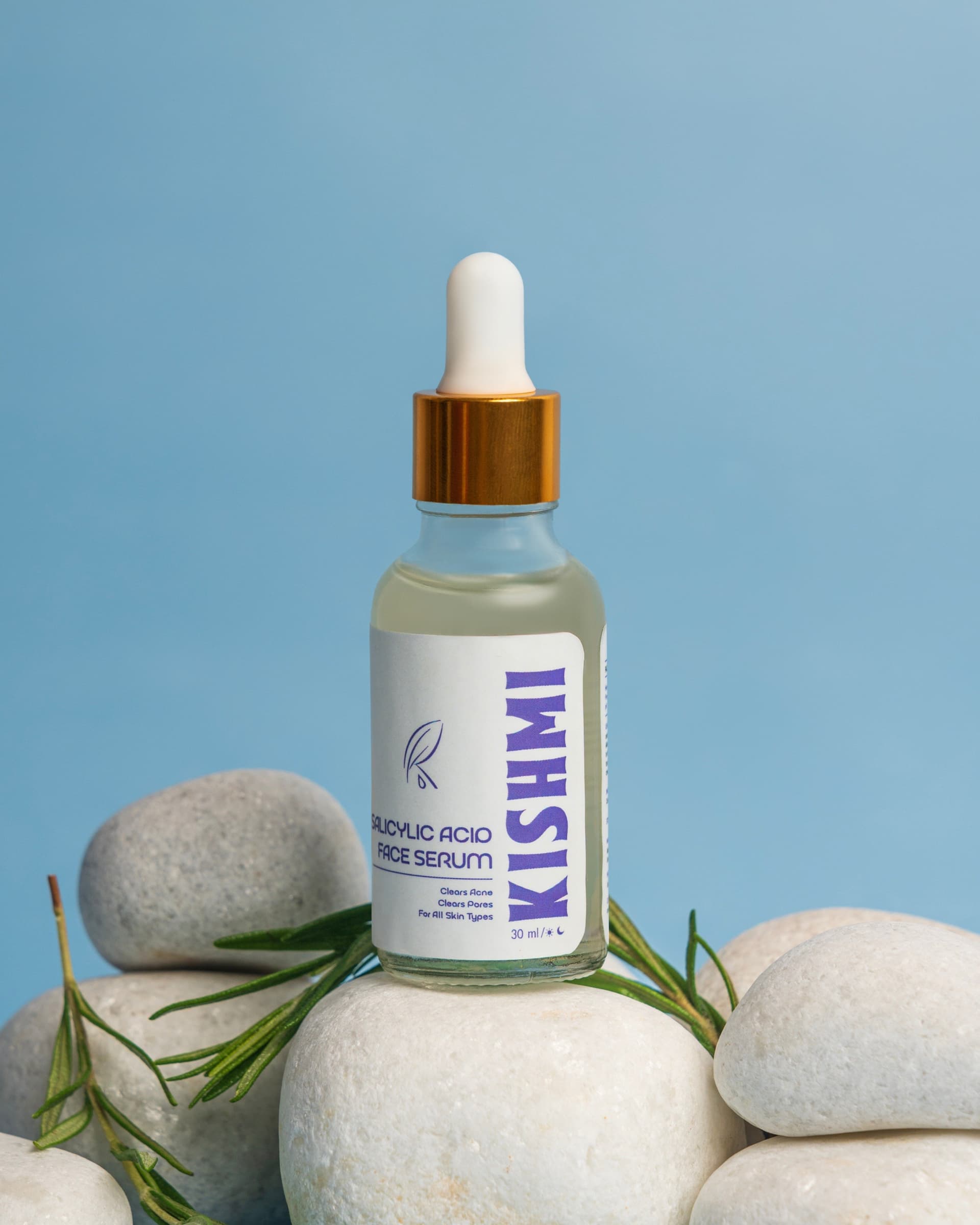
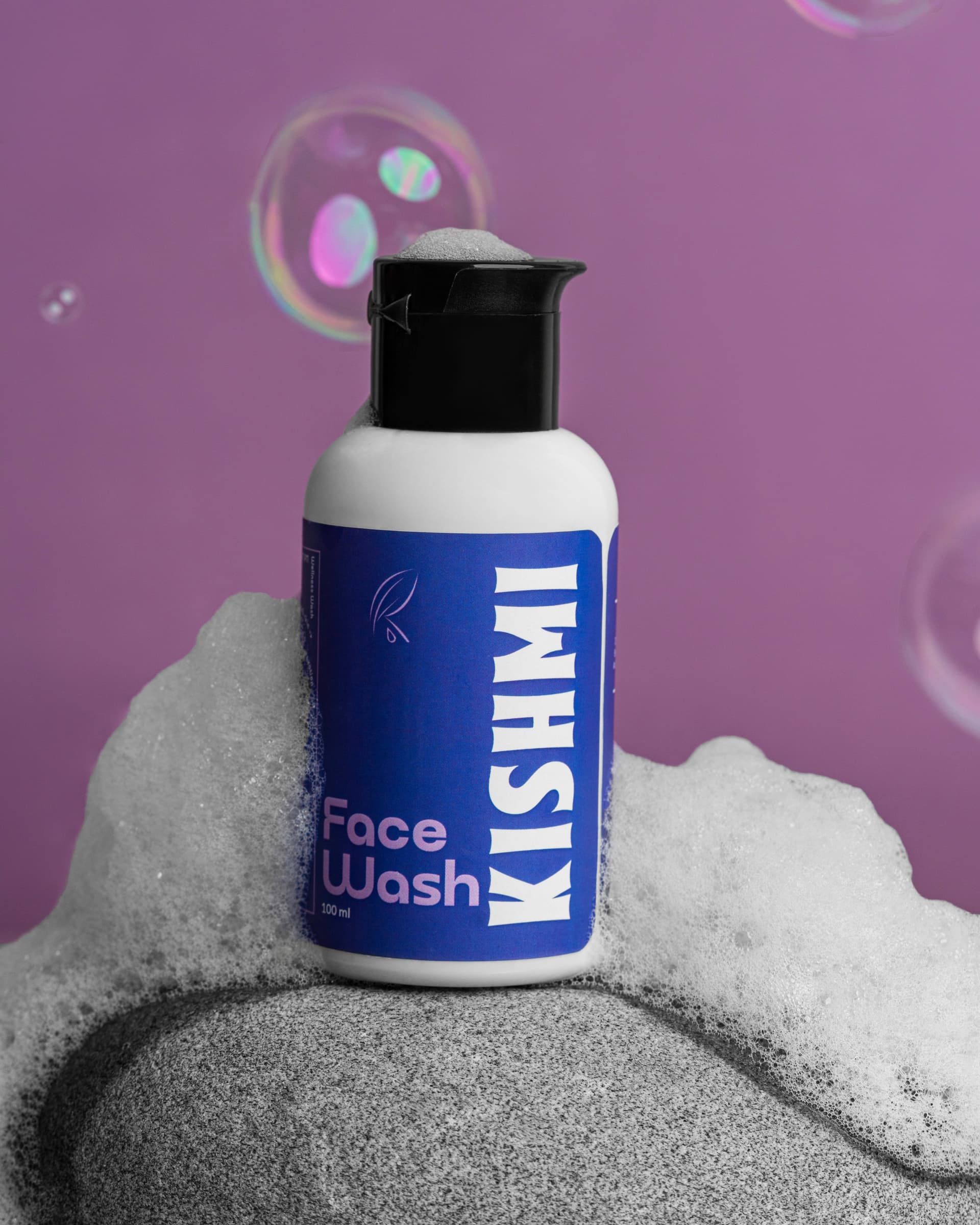
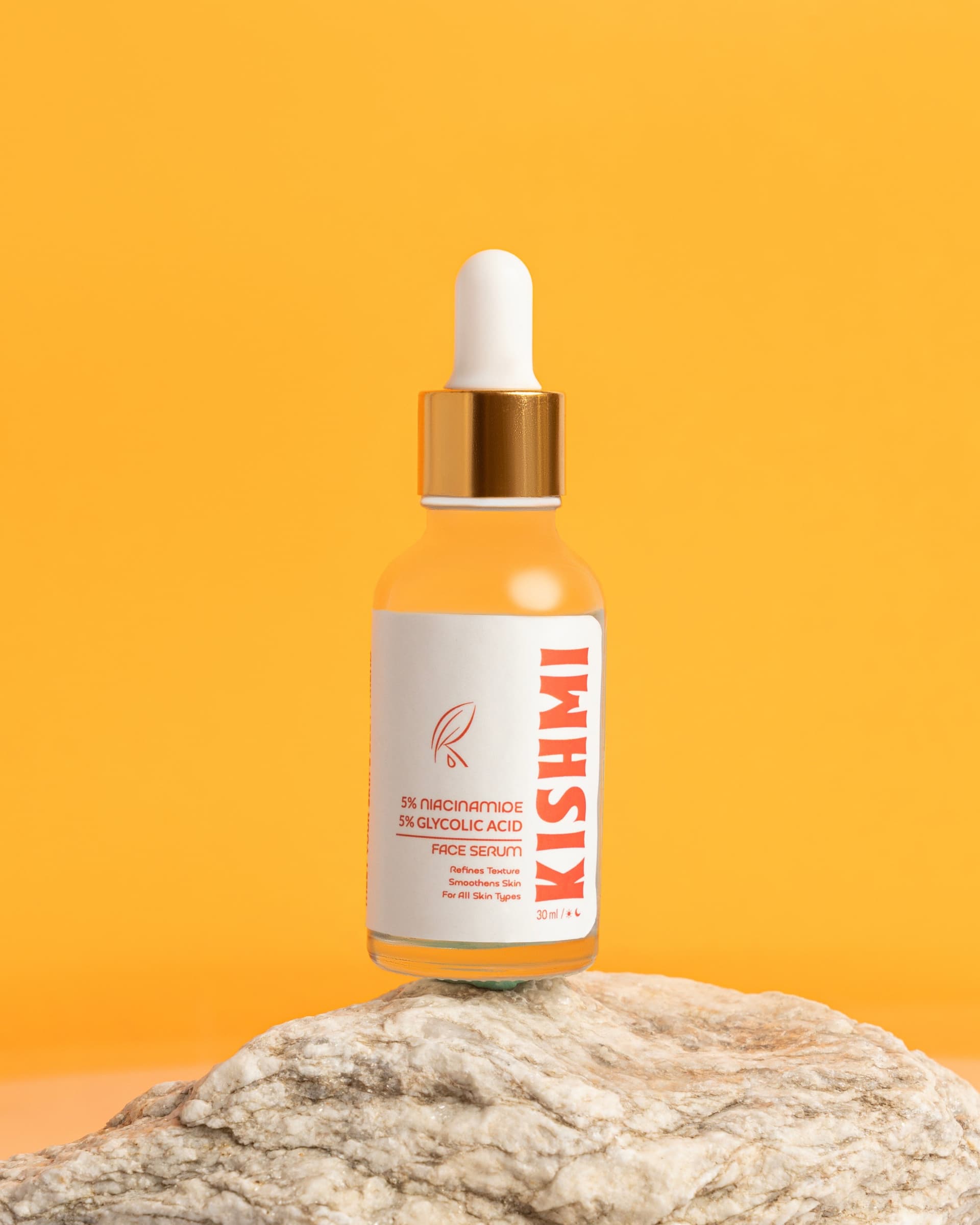
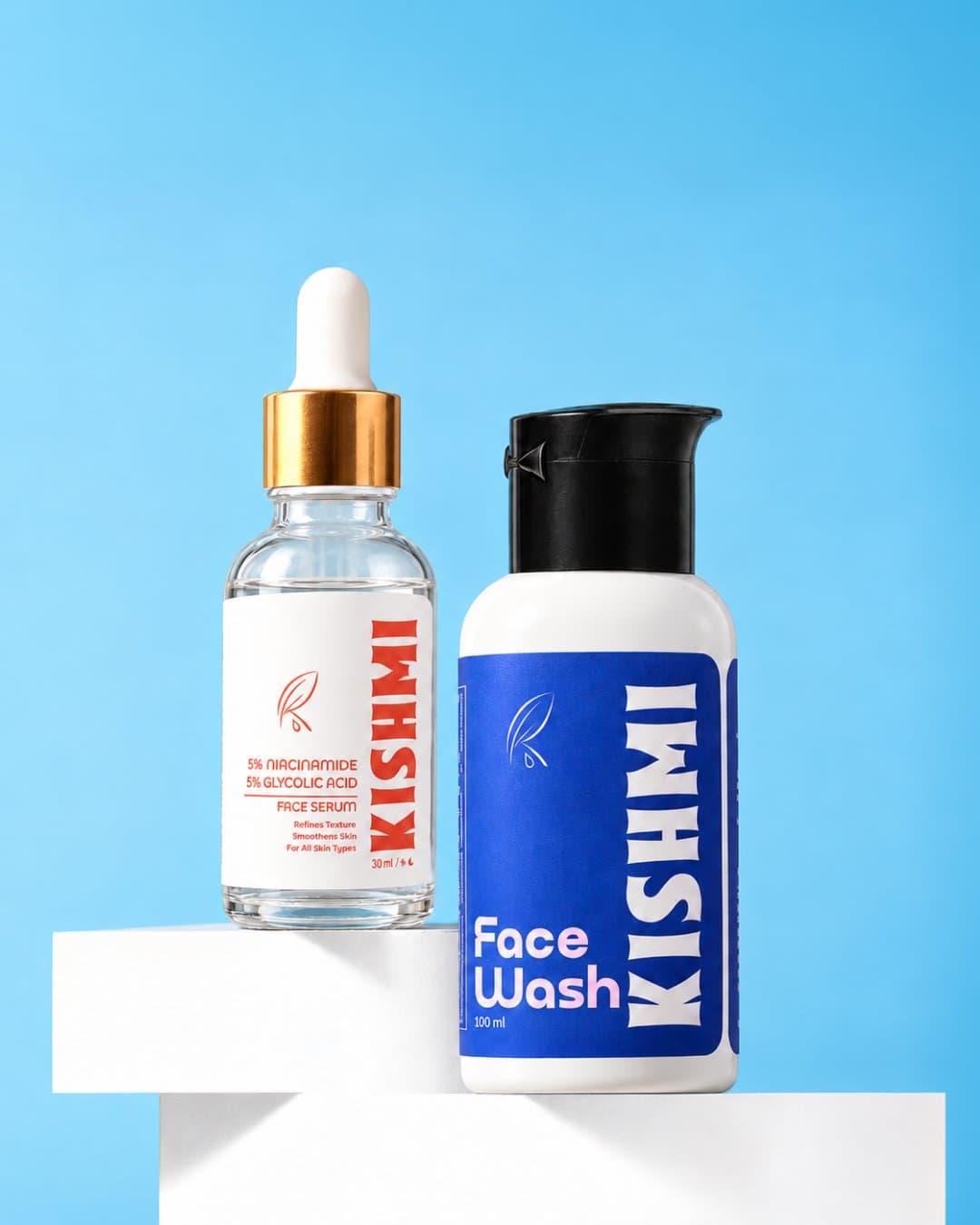
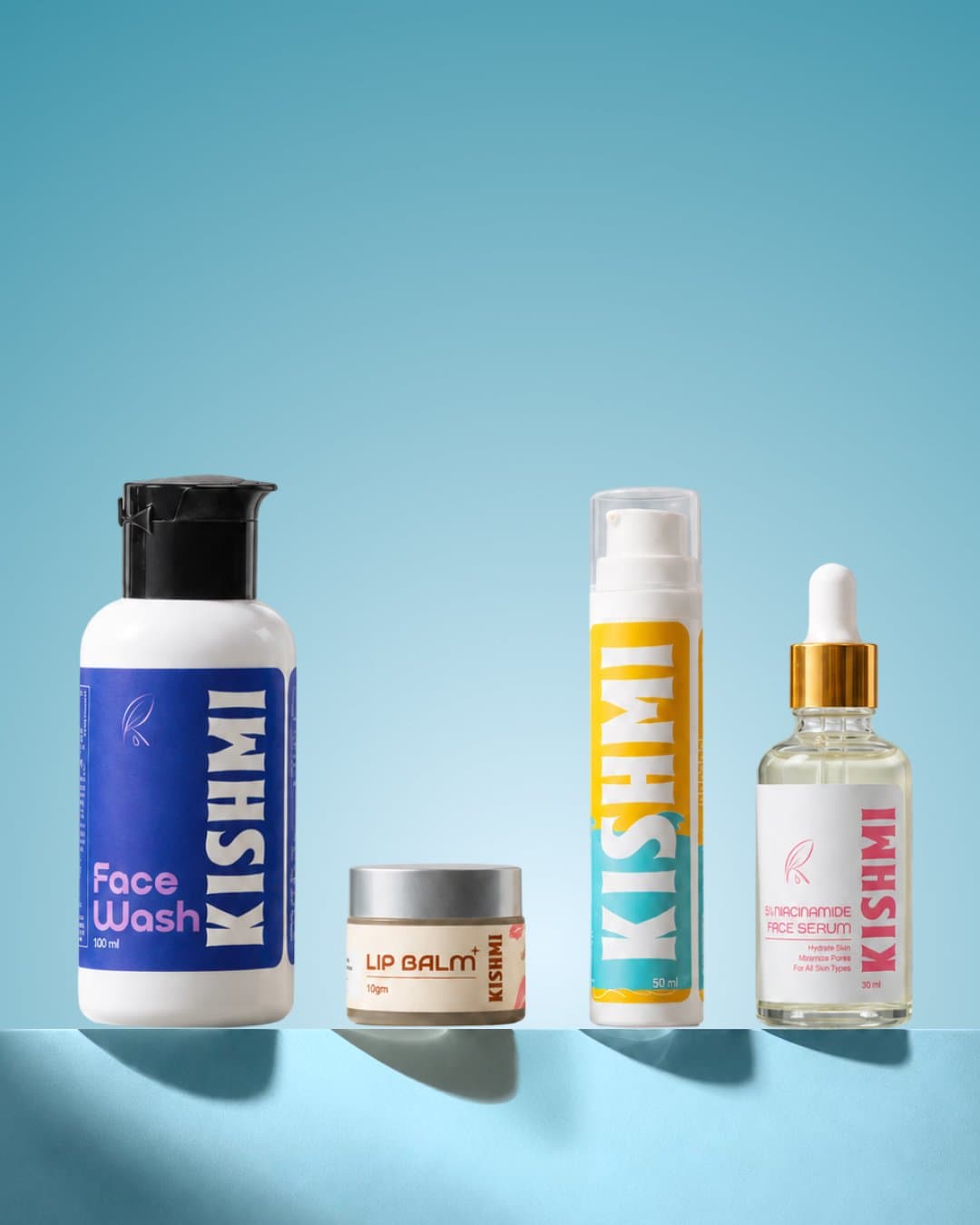
Morning: a gentle face wash, the 10% niacinamide serum to control oil and refine the look of pores, a light moisturiser, and a non-greasy SPF 50+. Night: face wash, then the 2% salicylic acid serum, which is oil-soluble and clears inside the pore where blackheads start, then moisturiser. Two or three nights a week of the 5% glycolic acid serum, on nights without salicylic acid, keeps the surface smooth.
Blotting paper during the day beats washing again; every extra wash is another trigger for oil. A matte finish comes from a clear pore and balanced oil, not from drying the skin out.
What to expect
Shine and redness calm within three to four weeks of niacinamide. Blackheads reduce over four to six weeks of salicylic acid. Pores look visibly smaller once they are consistently clear, usually by week eight. They will never disappear, and any product that promises that is selling you a filter.
Makeup, pore strips and other shortcuts
Makeup is fine on oily skin as long as it comes off completely at night; a thin layer of sunscreen under it is the only product that should stay on all day. Pore strips pull out the top of a blackhead and leave the rest, so it is back within a week, and they irritate the skin around the nose. Blotting paper, a clean towel after sweating and a lighter moisturiser do more than any strip, scrub or toner sold as pore-tightening.