What a good face wash should and should not do
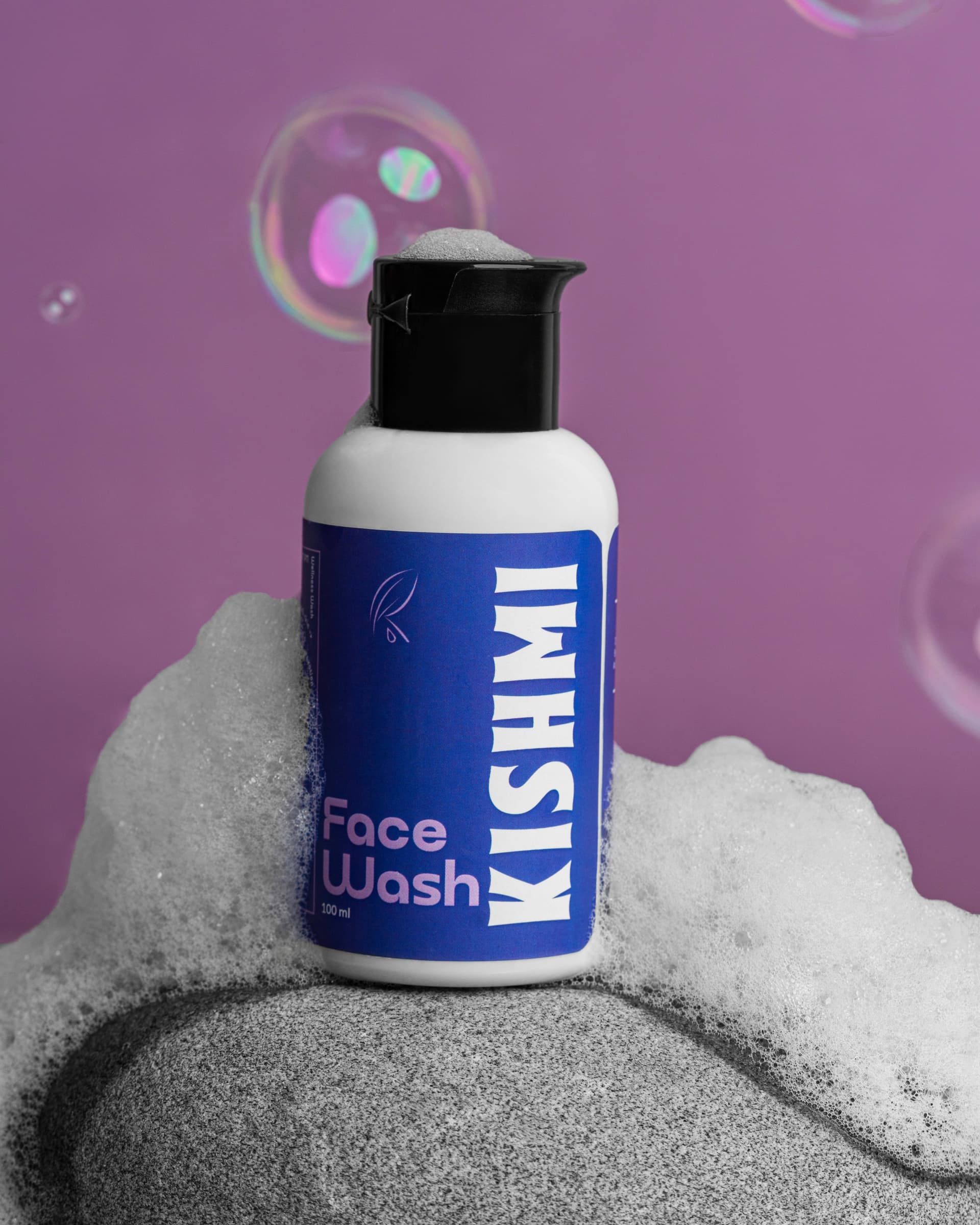
A cleanser has about a minute on the skin, so its job is narrow: remove oil, sweat, sunscreen and the day's grime without taking the skin's own moisture with them. Squeaky-clean is a warning sign, not a result. Skin that feels tight after washing produces more oil to compensate, which is how a harsh face wash makes oily skin oilier.
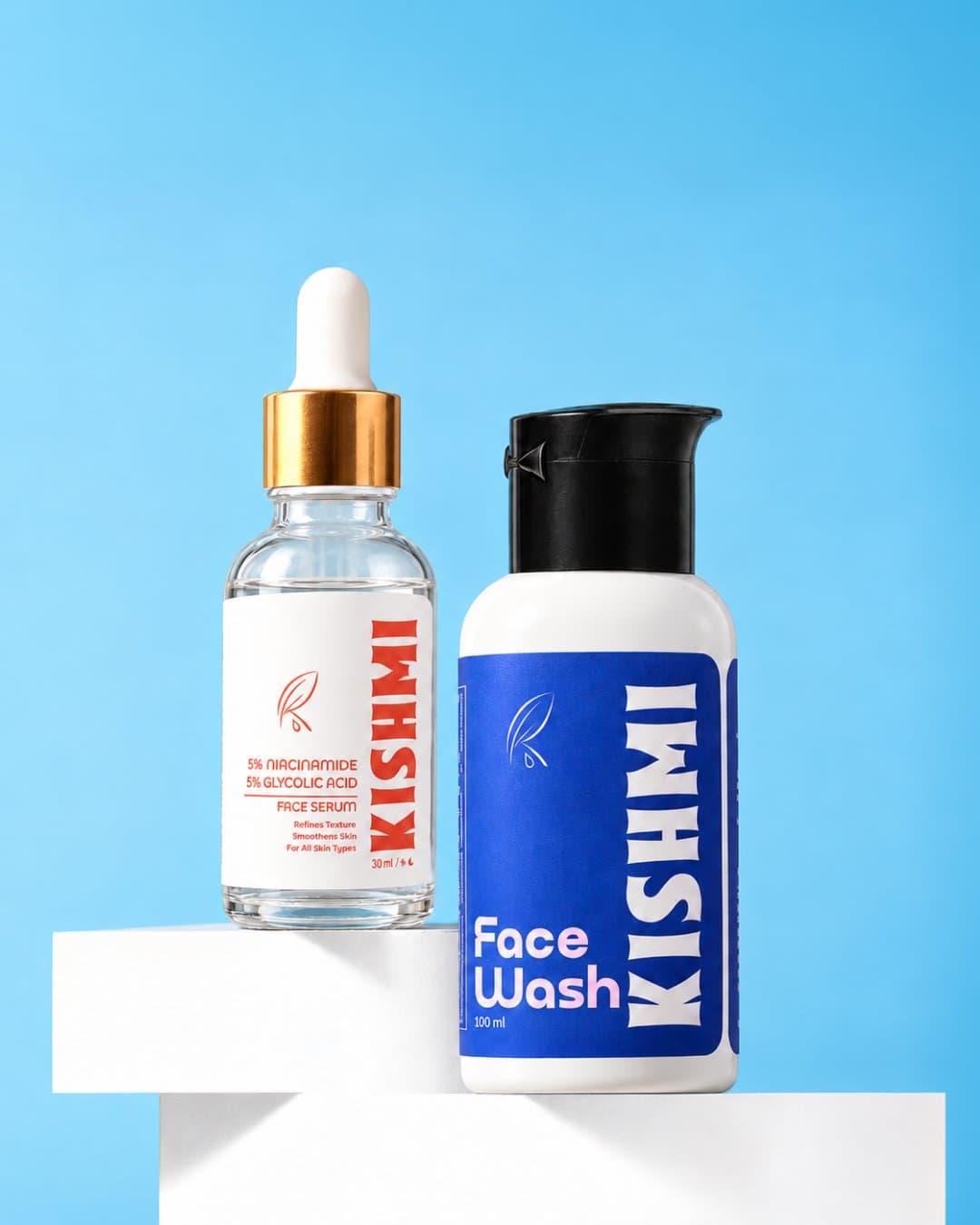
In Kishmi's face wash, salicylic acid works inside the pore on the oil and dead skin that become pimples, glycolic and lactic acid smooth the rough, bumpy texture acne leaves behind, and tea tree oil calms the breakouts that are already there. Panthenol, pro-vitamin B5, is what makes it comfortable twice a day.
How to wash your face properly
Wet the face with lukewarm water, never hot. Take a coin-sized amount, work it into a light lather and massage in gentle circles for thirty to sixty seconds, spending the extra time on the T-zone and wherever breakouts cluster. Rinse well, pat dry with a clean towel, and moisturise while the skin is still slightly damp. In the morning, sunscreen follows.
Twice a day is enough. If skin is sensitive, start with once a day in the evening, when the day's sunscreen and pollution need removing, and add the morning wash once skin is comfortable. Scrubs, loofahs and hot water all do more harm than the face wash does good.
Who it suits
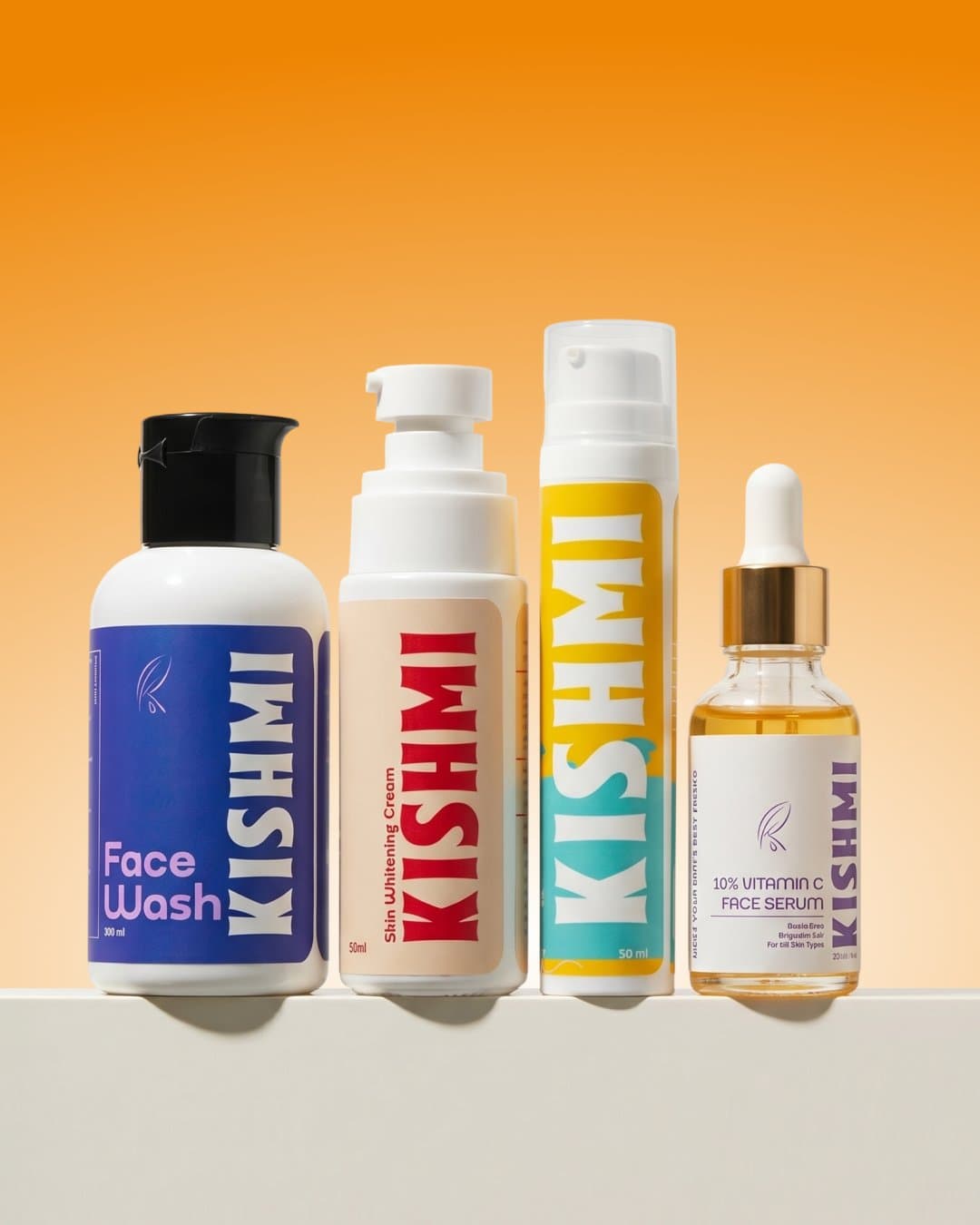
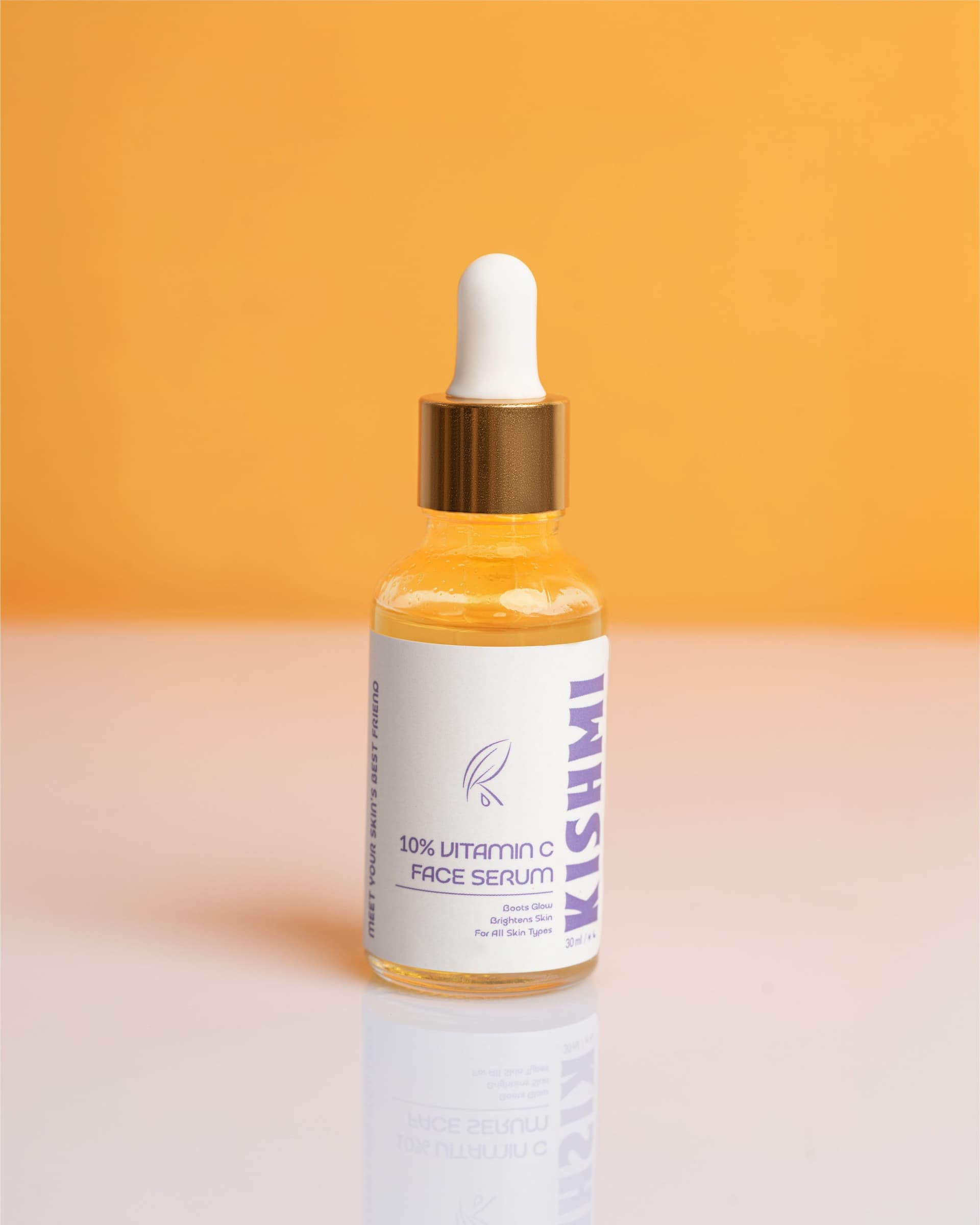
Oily, combination and acne-prone skin, including skin that gets congested around the nose, chin and forehead. Dry or very sensitive skin can use it once a day in the evening. It is dermatologist tested and free of parabens and sulphates, and it pairs with the 10% niacinamide serum in the morning and the 2% salicylic acid serum at night for a complete acne routine.