SPF in Sunscreen Is Doing More Than You Know
Updated 2 min readBy Kishmi
SPF does more than prevent sunburn. Discover how sunscreen helps protect your skin from UV damage, pigmentation, premature ageing, and uneven skin tone.
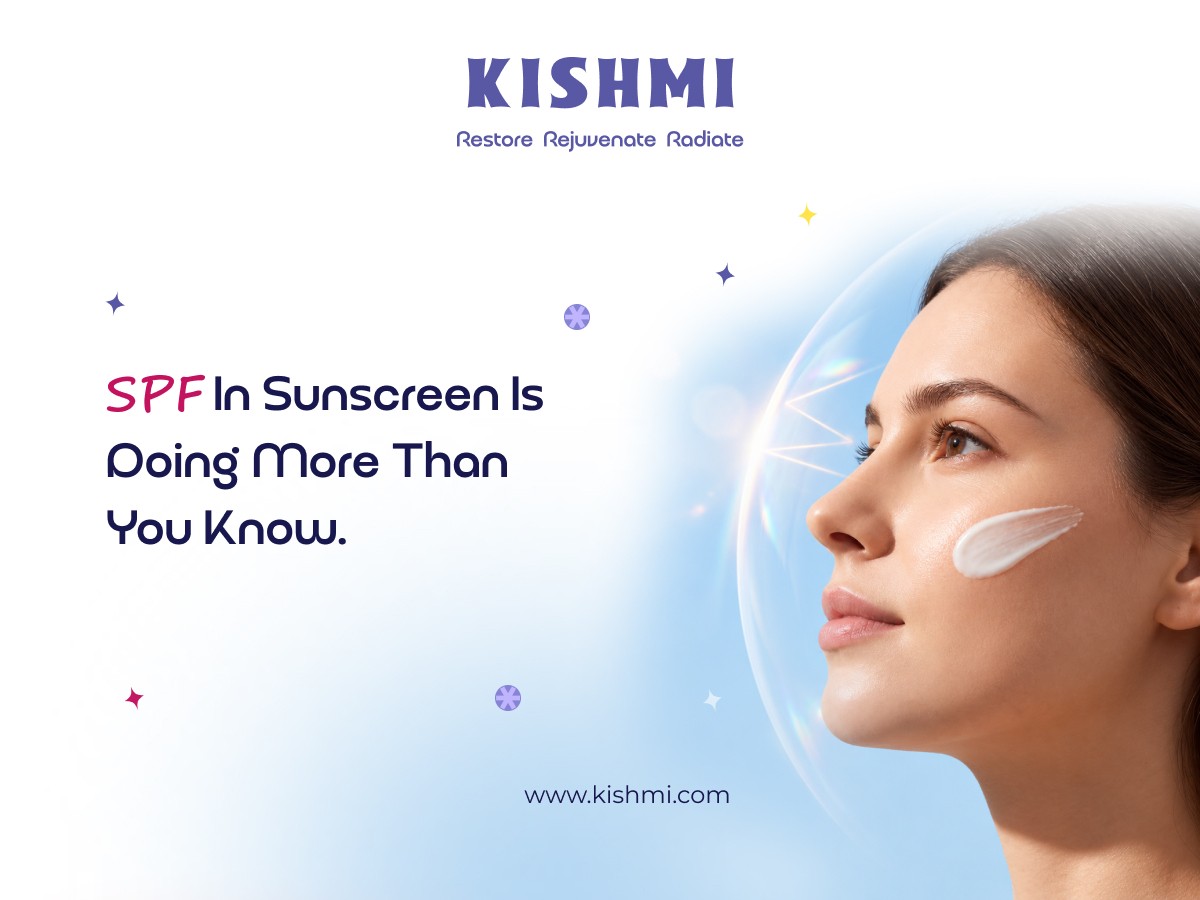
SPF In Sunscreen Is Doing More Than You Know
We all see SPF written on sunscreen bottles, but how much do we actually know about what it does?
SPF isn’t just a number on your sunscreen; it plays an important role in protecting your skin from the effects of UVB radiation, including sunburn and UV-related skin damage.
What Does SPF Actually Mean?
SPF stands for Sun Protection Factor.
It mainly indicates how well a sunscreen protects your skin from UVB rays. For example, SPF 30 provides substantial UVB protection, while SPF 50 offers higher protection when applied properly.
But remember: SPF 50 doesn’t mean you can stay in the sun all day without reapplying.
SPF Does More Than Prevent Sunburn
Sunscreen can help protect your skin from more than just that painful post-sun redness.
Regular sunscreen use can help reduce:
- Sunburn
- Dark spots and uneven pigmentation
- Premature signs of skin ageing
- Uneven skin tone caused by sun exposure
- Cumulative UV damage
For Indian skin, sunscreen is especially important because strong sunlight and high UV exposure can contribute to pigmentation and tanning.
SPF vs PA: They're Not the Same
This is where skincare labels can get confusing.
SPF → primarily indicates UVB protection
PA / UVA rating → indicates UVA protection
UVA rays are associated with premature skin ageing and can contribute to pigmentation. So, instead of looking at SPF alone, choose a sunscreen that offers broad-spectrum protection.
How Much Sunscreen Should You Apply?
Even the best sunscreen won't work as intended if you don't use enough.
A commonly used guideline for the face and neck is approximately two finger lengths of sunscreen, depending on the product and your face size.
And yes, reapplication matters.
If you're outdoors, sweating, swimming, or spending extended time in direct sunlight, sunscreen generally needs to be reapplied.
Don't Skip Sunscreen on Cloudy Days
Cloudy weather doesn't mean UV rays disappear.
You can still receive UV exposure on overcast days, so sunscreen should be part of your daily morning skincare routine, not something reserved only for beach days or vacations.
Your Everyday Skincare Bestie
Think of sunscreen as the final step that helps protect all the skincare work you're already doing.
Cleanser? Check.
Serum? Check.
Moisturizer? Check.
Sunscreen? Absolutely.
Because healthy-looking skin isn't just about what you put on your skin it's also about protecting it every day.
To keep your skin protected from harmful UV rays all day long, check out our best kishmi daily sunscreen
Final Takeaway
SPF is more than a number on a bottle. It's an important part of protecting your skin from everyday UV exposure and maintaining an even, healthy-looking complexion.
So before you step outside tomorrow, don't forget your skin's best friend: sunscreen.
KISHMI
Your Skin's Best Friend.
- sunscreen benefits
- benefits of sunscreen
- sunscreen
- SPF
- sun protection
- UV protection
- dailysunscreen
- skincare tips
- healthy skin
- pigmentation protection
- anti-aging skincare
You might also like
Skincare6 October 2026
10 skincare habits for glowing skin | kishmi
Healthy-looking, glowing skin isn't about complicated routines. Discover simple skincare habits that can help keep your skin hydrated, protected, and radiant.
Read more
Skincare5 October 2026
The Best Time to Apply Body Lotion for Softer Skin
know when to apply body lotion, and when the best time is to apply it, during the day or night.
Read more
Skincare30 September 2026
Can You Use Salicylic Acid If You Have Dry Skin?
Can you use salicylic acid on dry skin? Learn how it works, why 2% salicylic acid may cause dryness, and how to use it carefully without overdoing your skincare routine.
Read more
Comments
No comments yet. Be the first to share your thoughts.
Checking your sign-in…