Acne-Prone Skin: Causes, Care & Skincare Tips
Updated 14 min readBy Kishmi
Struggling with acne-prone skin? Learn what really causes breakouts, how diet, hormones, genetics, and daily habits affect your skin, and simple ways to achieve healthier, clearer skin.
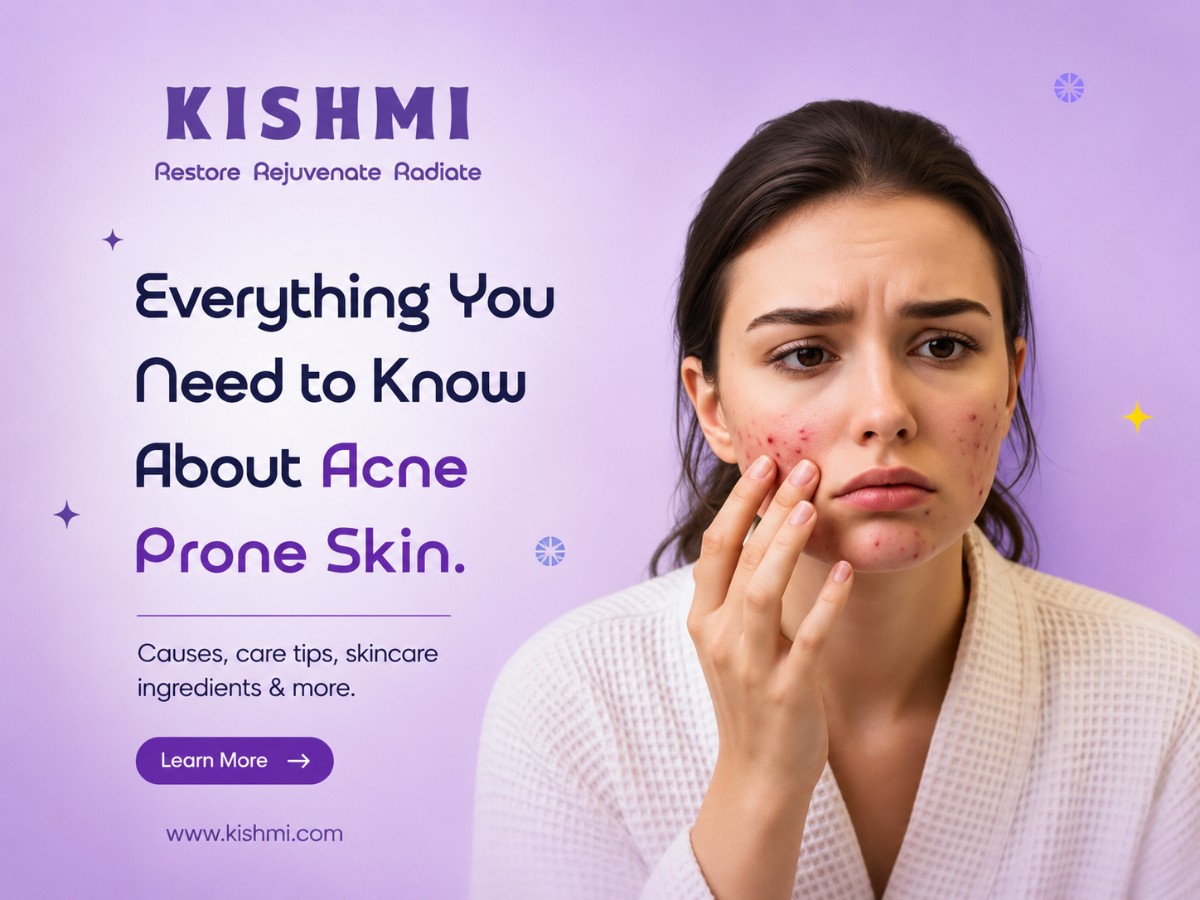
Everything You Need to Know About Acne-Prone Skin
Abstract
Acne isn't just a few pimples; it can affect your confidence, your mood, and even the way you see yourself in the mirror. If you've ever wondered why your acne-prone skin keeps breaking out despite trying countless products, you're not alone. Acne-prone skin can be influenced by hormones, excess oil, clogged pores, diet, stress, genetics, and everyday habits. Understanding your acne-prone skin can help you make better skincare choices and build a routine that suits your needs. In this guide, we'll explore what causes acne, how to care for acne-prone skin, and which simple lifestyle and skincare changes may help you achieve healthier, clearer-looking skin. Because caring for your skin starts with understanding it.
Introduction
There are days when you wake up, look in the mirror, and find a brand-new pimple waiting for you. It feels unfair. You start questioning your skincare routine, your diet, or even your confidence. Some people cancel plans because of a breakout. Others hide behind makeup or avoid taking pictures altogether.
If you've ever felt this way, this article is for you.
First, take a deep breath. Acne does not define your beauty, your worth, or your confidence. More importantly, acne is one of the most common skin concerns, affecting teenagers and adults alike. You're not "doing everything wrong," and you're certainly not alone.
Think of your skin as your friend. When something isn't right, it doesn't stay silent; it tries to communicate. A breakout isn't your skin betraying you; it's a sign that something may need attention. Instead of fighting against it, the goal is to understand why it's happening.
The good news? Acne can improve. With a suitable skincare routine, healthier habits, patience, and consistency, many people can manage breakouts and support healthier-looking skin.
What Causes Acne-Prone Skin?
Acne develops when hair follicles become clogged with oil and dead skin cells. Hormonal changes, excess sebum, inflammation, genetics, and certain skincare products can all contribute to breakouts. Understanding these triggers can help you make better choices for your skin without relying on every trending product.
If you have acne-prone skin, focus on gentle cleansing, a suitable moisturizer, and non-comedogenic products. Avoid scrubbing aggressively or introducing too many active ingredients at once. If acne is painful, persistent, or leaving scars, a dermatologist can help you find an appropriate treatment.
Ready to understand your skin better? Let's explore what actually causes acne and how you can build a skincare routine that works for you.
What Causes Acne?
One of the biggest misconceptions about acne is that it's caused by having "dirty skin." That's simply not true.
Acne develops because of a combination of internal and external factors. Understanding these causes can help you manage breakouts more effectively instead of just treating the symptoms.
There are several reasons why acne can appear without you even realizing it. Everyday habits, such as what you eat, how well you sleep, and which skincare products you apply, may influence your skin. However, acne is not simply a result of poor hygiene. Hormones, genetics, excess oil, and clogged pores also play important roles.
Let's dive deeper and understand the common causes of acne.
1. Excess Oil Production
Your skin naturally produces sebum, an oily substance that helps keep it moisturized. However, excess oil can mix with dead skin cells and contribute to clogged pores. This can create an environment where acne develops.
If your acne-prone skin tends to look oily throughout the day, choose a gentle cleanser and a lightweight, non-comedogenic moisturizer. Avoid washing your face too frequently, as over-cleansing can irritate your skin.
2. Hormonal Changes
Hormonal fluctuations during puberty, menstruation, pregnancy, or other life stages can increase oil production and trigger breakouts. This is one reason acne can affect both teenagers and adults.
If breakouts keep returning around the same areas or time of the month, tracking your symptoms may help you identify patterns. Persistent or severe acne should be discussed with a dermatologist.
3. Clogged Pores
Dead skin cells and excess sebum can accumulate inside hair follicles, leading to blackheads, whiteheads, and inflamed pimples. Products that are unsuitable for your skin may also contribute to clogged pores.
A consistent skincare routine with gentle cleansing and suitable products can help keep your skin comfortable. Avoid picking or squeezing pimples, as this can increase inflammation and the risk of scarring.
4. Everyday Skincare Habits
Using too many active ingredients, scrubbing aggressively, skipping moisturizer, or frequently changing products can irritate your skin. If you have acne-prone skin, a simple routine is often a better starting point than layering several treatments together.
Introduce new products gradually, follow their instructions, and give your routine time to work. If your acne is painful, persistent, or leaving scars, professional advice can help you choose an appropriate treatment.

1. Overproduction of Sebum (Excess Oil)
Your skin naturally produces an oily substance called sebum, and despite its bad reputation, sebum isn't the enemy. In fact, it's essential for healthy skin. It helps keep your skin soft, prevents excessive dryness, and acts as a natural barrier against environmental damage and harmful bacteria.
The problem begins when your sebaceous (oil) glands produce more sebum than your skin actually needs.
This excess oil mixes with dead skin cells, dirt, and impurities on the surface of your skin. Together, they can clog your pores, creating an environment where Cutibacterium acnes (formerly Propionibacterium acnes) bacteria thrive. As the bacteria multiply, your body's immune system responds with inflammation, resulting in red, swollen pimples, whiteheads, blackheads, or even painful cystic acne.
Several factors can trigger excess oil production, including:
- Hormonal changes during puberty, menstruation, pregnancy, or PCOS
- Hot and humid weather
- Stress, which increases cortisol levels and can stimulate oil glands
- Using harsh cleansers or over-washing your face, causing your skin to compensate by producing even more oil
- Applying heavy, pore-clogging cosmetics or skincare products
If you have oily skin, remember this: your goal isn't to eliminate oil completely it's to keep it balanced. Stripping your skin of all its natural oils can actually worsen the problem by encouraging your skin to produce even more sebum.
How to Manage Excess Sebum
- Wash your face twice a day with a gentle, pH-balanced cleanser.
- Use lightweight, non-comedogenic skincare and makeup products.
- Look for ingredients like Niacinamide, Salicylic Acid, or Zinc PCA, which can help regulate excess oil and keep pores clear.
- Avoid scrubbing your skin aggressively, as this can irritate the skin barrier.
- Don't skip moisturizer choose an oil-free gel or lotion to keep your skin hydrated without making it greasy.
Think of sebum like cooking oil in a pan. A little helps everything work smoothly, but too much can create a sticky mess. Your skin needs balance, not complete dryness.
2. Clogged Hair Follicles (Blocked Pores)
Every pore on your skin is connected to a tiny hair follicle and an oil (sebaceous) gland. These follicles play an  important role in keeping your skin healthy by allowing natural oils to reach the skin's surface. Under normal conditions, dead skin cells naturally shed and make way for new ones.
However, sometimes this natural process slows down.
Instead of shedding properly, dead skin cells remain trapped inside the follicle. When these dead cells mix with excess sebum (oil), sweat, dirt, or residue from makeup and skincare products, they create a blockage. This clogged pore becomes the perfect environment for Cutibacterium acnes bacteria to grow and multiply.
As your body's immune system reacts to the bacteria, inflammation develops. Depending on how deep and severe the blockage is, it can lead to:
- Whiteheads (closed clogged pores)
- Blackheads (open clogged pores that oxidize)
- Papules (small red bumps)
- Pustules (pimples filled with pus)
- Nodules or cystic acne (deep, painful breakouts beneath the skin)
Clogged pores don't happen overnight they're often the result of a combination of factors, including excess oil production, infrequent cleansing, heavy or pore-clogging cosmetics, pollution, and not removing sunscreen or makeup thoroughly at the end of the day.
The good news is that your skin naturally renews itself approximately every 28–40 days (though this can vary with age and skin type). Supporting this natural skin turnover is one of the most effective ways to keep pores clear and reduce breakouts.
What Helps?
- Exfoliate 1–2 times a week with chemical exfoliants like Salicylic Acid (BHA) or Glycolic Acid (AHA) to help remove dead skin cells and keep pores clear. Avoid over-exfoliating, as it can damage your skin barrier.
- Never sleep with makeup or sunscreen on, as they can mix with oil and debris to clog pores overnight.
- Wash your face after excessive sweating, especially after workouts or spending time outdoors in hot and humid weather.
- Choose non-comedogenic skincare and makeup products that are less likely to block pores.
- Avoid touching or picking at your face, as your hands can transfer bacteria, dirt, and oil to your skin.
- Wash your makeup brushes, beauty sponges, and reusable face masks regularly to prevent bacteria buildup.
Imagine your pores as tiny drainage pipes. When they're clean, oil flows naturally and your skin stays balanced. But when they're blocked with dead skin cells and excess oil, pressure builds up eventually leading to breakouts. Keeping your pores clear is one of the simplest ways to help your skin stay healthy.
3. Hormonal Changes
Hormones are one of the biggest reasons behind acne.
During puberty, menstrual cycles, pregnancy, stress, or conditions like PCOS, hormone levels fluctuate. These hormonal changes stimulate oil glands to produce more sebum, increasing the likelihood of breakouts.
This is why many women notice acne appearing around the jawline or chin before their periods.
What helps?
- Maintain a balanced lifestyle.
- Get enough sleep.
- Manage stress through exercise, meditation, or hobbies.
- If hormonal acne is severe or persistent, consult a dermatologist.
4. Diet and Lifestyle
Food isn't the direct cause of acne, but for some people, it can make breakouts worse.
Diets high in refined sugar, sugary drinks, highly processed foods, and excessive dairy may contribute to inflammation or trigger acne in susceptible individuals.
Your skin often reflects what's happening inside your body.
Skin-friendly habits include:
- Reduce sugary snacks and soft drinks.
- Eat more fruits and vegetables.
- Include foods rich in Omega-3 fatty acids.
- Drink enough water throughout the day.
- Prioritize balanced meals over crash diets.
Remember, you don't have to be perfect small, consistent changes are often more sustainable. What Should You Eat (and Avoid) for Acne-Prone Skin?
If you're dealing with acne, you've probably heard people say things like, "Stop eating chocolate," or "It's because of oily food." The truth is, there's no single "acne diet" that works for everyone. Every person's skin responds differently.
That said, research suggests that certain dietary patterns may influence acne in some individuals. Instead of focusing on strict restrictions, try building a diet that supports your overall health and your skin.
Foods That May Help Support Healthy Skin
Leafy Green Vegetables
Spinach, fenugreek (methi), amaranth, and kale are packed with vitamins A, C, and antioxidants that help protect your skin from inflammation.
Colorful Fruits and Vegetables
Carrots, sweet potatoes, tomatoes, bell peppers, papaya, oranges, berries, and guava provide antioxidants that support skin repair and collagen production.
Omega-3 Rich Foods
Fatty fishlike salmon, sardines, and mackerel, along with walnuts, flaxseeds, and chia seeds, may help reduce inflammation associated with acne.
Zinc-Rich Foods
Pumpkin seeds, chickpeas, lentils (dal), beans, nuts, and seafood are good sources of zinc, an important mineral for skin healing and immune function.
Probiotic Foods
Curd (Dahi), yogurt with live cultures, kefir, and fermented foods may support gut health, which is being studied for its possible role in skin health.
water
Staying hydrated won't magically clear acne, but drinking enough water supports your skin's natural functions and overall health.
Foods You May Want to Limit
Sugary Foods and Drinks
Soft drinks, candies, cakes, pastries, packaged fruit juices, and desserts can cause rapid spikes in blood sugar. For some people, high-glycemic diets may contribute to acne.
Junk food
Chips, instant noodles, packaged snacks, sugary breakfast cereals, and fast food often contain refined carbohydrates and unhealthy fats that may increase inflammation. White bread, white rice in excessive amounts, bakery products, and sugary cereals have a high glycemic index. Choosing whole grains more often may be beneficial.
Excess Dairy (For Some People)
Milk particularly skim milk has been linked to acne in some studies. This doesn't mean everyone should stop consuming dairy, but if you notice a pattern, discuss it with a dermatologist or nutritionist before making major dietary changes
Chocolate?
Chocolate itself isn't a proven cause of acne. However, chocolates that are high in sugar and milk may contribute to breakouts in some individuals.
An Indian Skin-Friendly Plate
You don't need expensive "superfoods" to support healthy skin. A simple Indian meal can provide everything your skin needs.
Try including:
- Whole wheat roti or brown rice
- Dal or rajma/chole for protein
- A bowl of seasonal vegetables
- Salad with cucumber, carrots, and tomatoes
- A bowl of curd (if dairy doesn't trigger your acne)
- Fresh fruits like guava, papaya, oranges, or pomegranate as snacks
A Friendly Reminder
Don't be too hard on yourself if you enjoy sweets or fast food occasionally. Having a piece of cake at a birthday party or eating pizza once in a while won't suddenly cause acne.
What matters most is what you do consistently—not occasionally.
Think of healthy eating as another way of taking care of yourself, just like wearing sunscreen or washing your face. Your skin doesn't need perfection; it needs nourishment, balance, and patience.
Your plate may not cure acne overnight, but giving your body the nutrients it needs can create a healthier environment for your skin to heal.
5. Environmental Factors
Your skin deals with more than just skincare products.
Pollution, humidity, sweat, dirt, harsh weather, and prolonged sun exposure can all contribute to clogged pores and irritated skin.
Even touching your face repeatedly transfers bacteria and oil onto your skin.
What helps?
- Wash your face after heavy sweating.
- Wear sunscreen daily.
- Clean your phone screen regularly.
- Avoid touching your face unnecessarily.
6. Genetics
Sometimes, acne runs in the family.
If one or both of your parents had acne-prone skin, there's a higher chance you may experience it too. While you can't change your genetics, you can absolutely manage how your skin responds.
Think of genetics as the starting point not the final outcome.
A consistent skincare routine and healthy lifestyle can still make a significant difference.
Simple Habits That Can Help Your Acne Heal
Healing acne isn't about chasing a miracle product. It's about supporting your skin every day with small, consistent habits.
Here are a few changes that can make a real difference:
- Stay hydrated throughout the day.
- Change your pillowcase every 2–3 days.
- Wash makeup brushes and beauty sponges regularly.
- Avoid picking or popping pimples.
- Wear sunscreen every morning.
- Follow a simple skincare routine consistently.
- Get 7–9 hours of quality sleep.
- Manage stress whenever possible.
- Reduce excessive sugar and highly processed foods if you notice they trigger breakouts.
- Exercise regularly and shower after sweating.
- Use products suited to acne-prone skin instead of trying every trending skincare product.
Remember, healthy skin isn't built overnight it's built through consistent care.
A Little Reminder .
If you're reading this because you're struggling with acne, I want you to know something.
I know how tempting it is to compare your skin to the flawless faces you see online. I know how frustrating it feels when a breakout appears right before an important event. And I know how easy it is to think that everyone notices your acne before they notice you.
But here's the truth: your skin is healing, not failing.
Acne is a condition not a flaw. It doesn't make you less attractive, less confident, or less deserving of feeling good about yourself. Your skin is simply responding to what's happening inside and around your body.
Be patient with it.
Celebrate the small improvements. Don't punish your skin with harsh products. Give it nourishment, consistency, and time. Some days will be better than others, and that's completely okay.
Your goal isn't perfect skin.
Your goal is healthy skin.
And healthy skin is absolutely possible.
Conclusion
Acne-prone skin can feel overwhelming, but it doesn't have to control your life. Once you understand the real causes whether it's excess oil, clogged pores, hormones, diet, environmental triggers, or genetics you can make informed choices instead of relying on quick fixes.
Pair a gentle skincare routine with healthy lifestyle habits, protect your skin barrier, and give your skin the patience it deserves. Clear skin is rarely about perfection; it's about consistency.
Your journey to healthier skin starts with understanding your skin not fighting against it.
you may also like : why your dark circle won't go away
- Acne-Prone Skin Acne Skincare Skincare Tips Acne Treatment Acne Causes Oily Skin Hormonal Acne Clear Skin Healthy Skin Indian Skincare Skin Barrier Sebum Control Salicylic Acid Niacinamide Diet and Acne Acne Prevention Sensitive Skin
You might also like
Skincare6 October 2026
10 skincare habits for glowing skin | kishmi
Healthy-looking, glowing skin isn't about complicated routines. Discover simple skincare habits that can help keep your skin hydrated, protected, and radiant.
Read more
Skincare5 October 2026
The Best Time to Apply Body Lotion for Softer Skin
know when to apply body lotion, and when the best time is to apply it, during the day or night.
Read more
Skincare30 September 2026
Can You Use Salicylic Acid If You Have Dry Skin?
Can you use salicylic acid on dry skin? Learn how it works, why 2% salicylic acid may cause dryness, and how to use it carefully without overdoing your skincare routine.
Read more
Comments
No comments yet. Be the first to share your thoughts.
Checking your sign-in…