The three-part routine
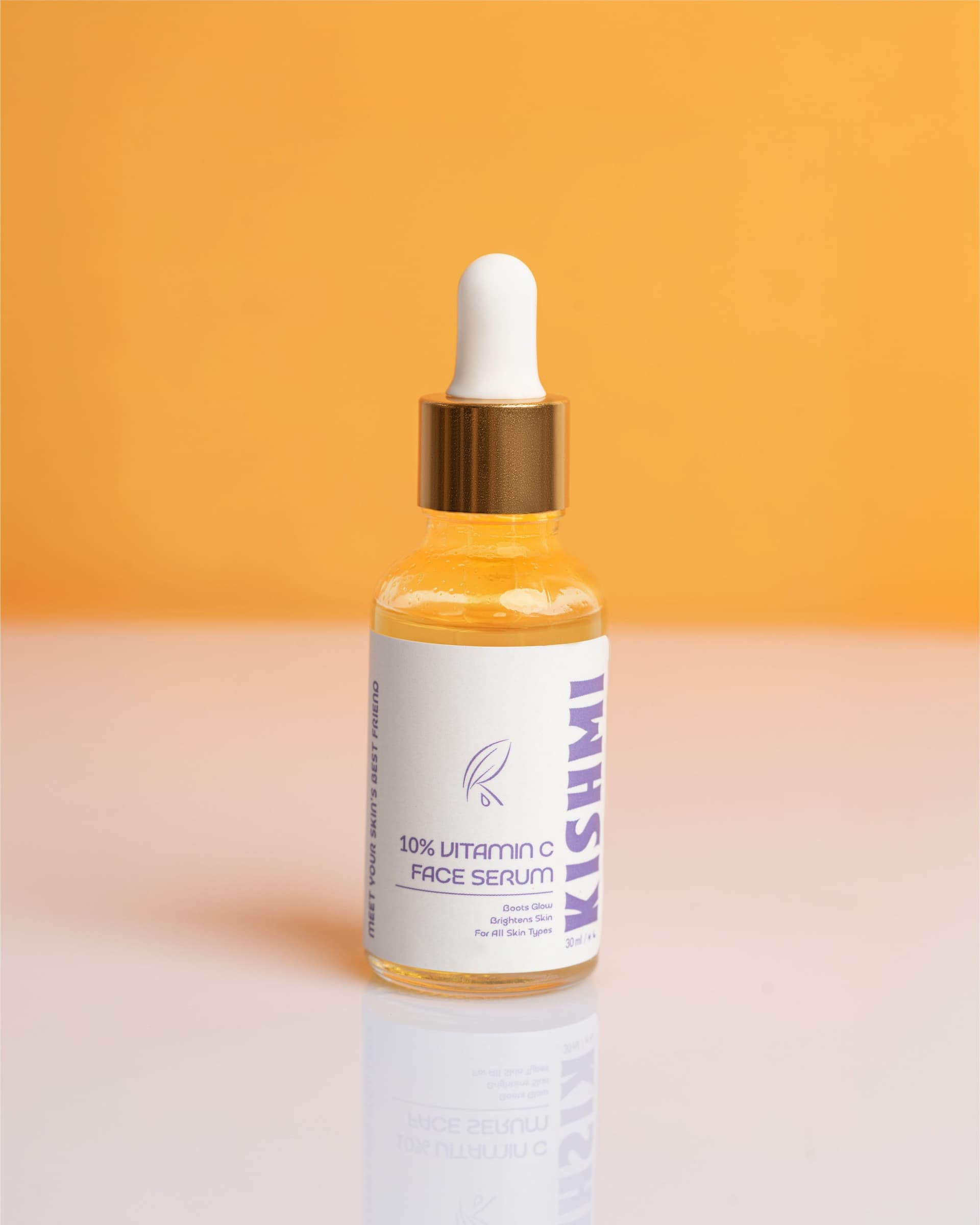
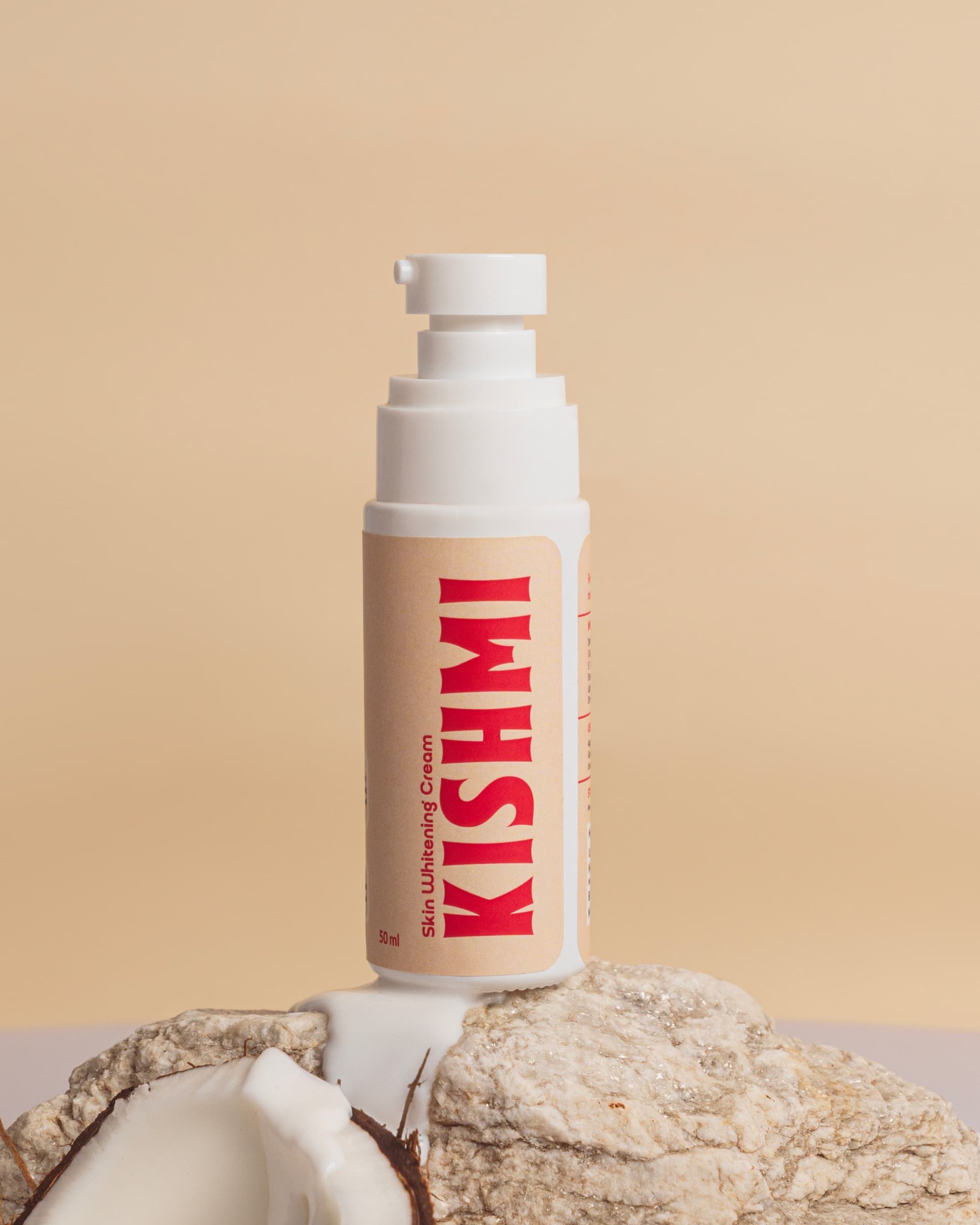
Morning: 10% vitamin C serum on clean skin, moisturiser, then SPF 50+. Vitamin C brightens dull skin and fades the dark marks old pimples leave, and it defends against the daily sun and pollution that create new ones. Night: the kojic acid and alpha arbutin cream, which slows the extra melanin production behind dark spots so existing marks fade and new ones struggle to settle. Every day, without exception: sunscreen, reapplied when outdoors.
Why sunscreen is the half most people skip
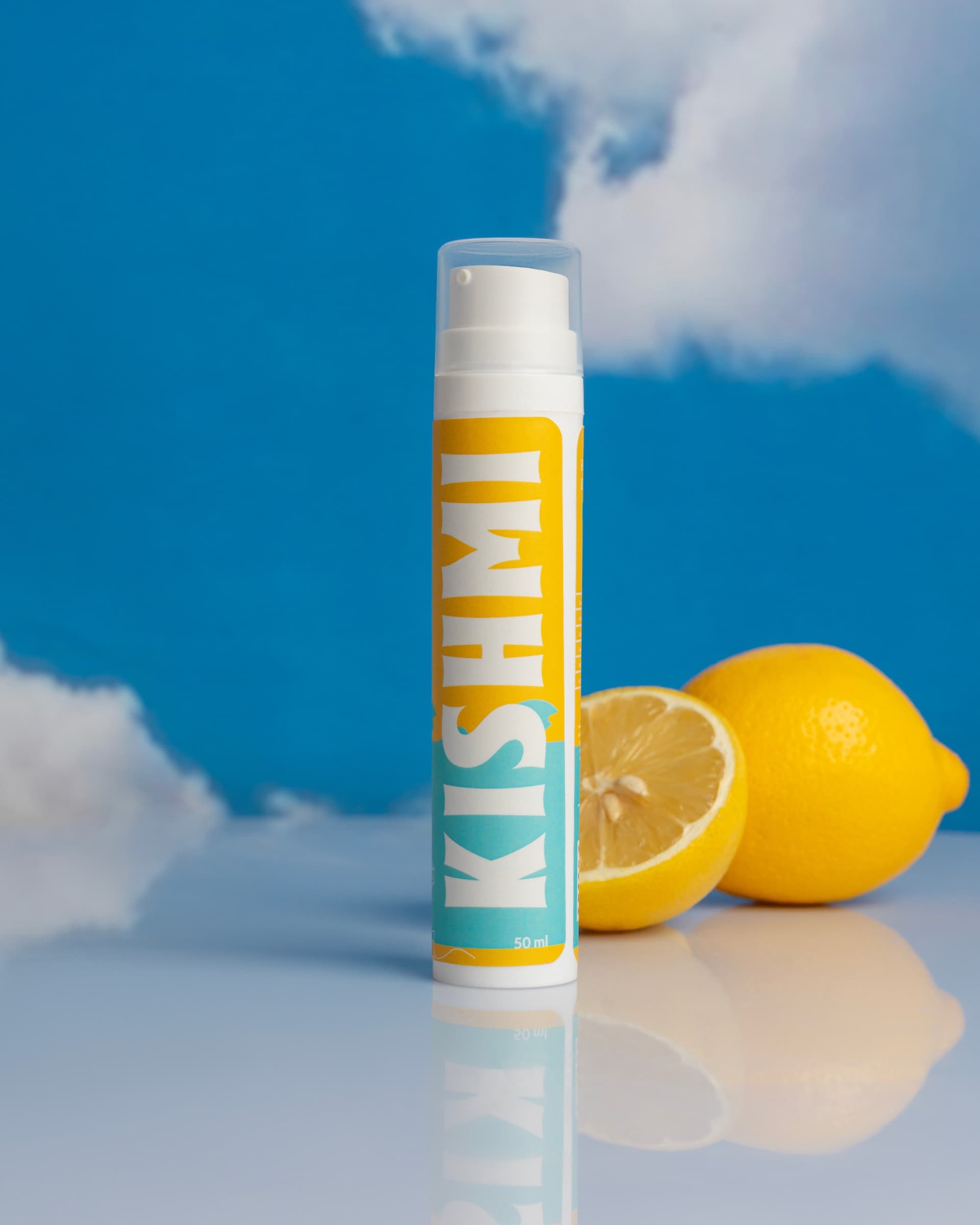
UVA is the band of sunlight that drives tanning and dark spots, and it comes through clouds, windows and car glass. A pigmentation routine without daily sunscreen is like bailing a boat with the tap running. Two finger-lengths for face and neck every morning, mineral filters if your skin is sensitive, and reapplication at lunch on days spent outside.
What to expect, and what to avoid
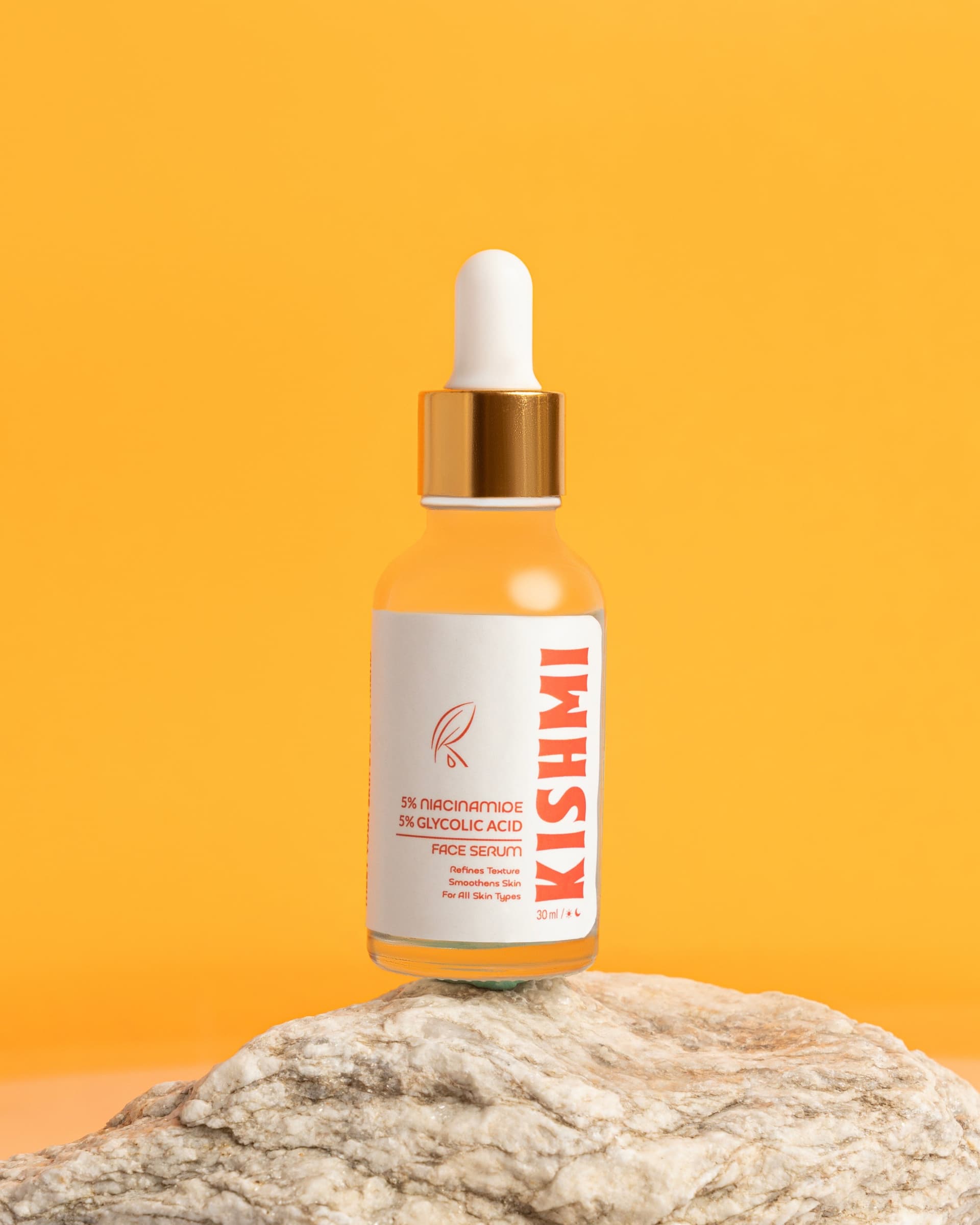
Dark spots fade slowly. Most people see a clear difference between six and eight weeks of daily use, with deeper, older marks taking longer. Glycolic acid two nights a week can speed up surface tan by lifting dead cells, but never on the same night as the dark spot cream or retinol.
Avoid anything sold as fairness, whitening or lightening cream. Kishmi does not make them and never will. Skin tone is not a problem to fix; uneven patches, marks and tan are, and that is what these products address.
Pigmentation that needs a doctor
Symmetrical brown patches across the cheeks, forehead or upper lip that darken in summer and with hormonal change are often melasma, which these products can soften but not clear on their own. The same goes for marks that spread quickly, change shape, or appear after a new medicine. A dermatologist can combine a prescription with the routine on this page, and the daily sunscreen remains the part of the plan that makes everything else hold.